

Wide-Blade 10-Inch Cinelifter Props for Low-Speed High Lift
Drone propeller manufacturing, covering MINI-22-inch propellers, supporting OEM/ODM
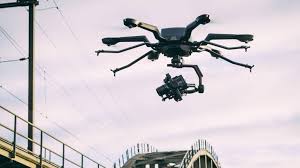
When building a cinematography drone capable of carrying heavier payloads while maintaining smooth flight characteristics, propeller selection becomes a critical engineering decision. For operators seeking 10-inch 3-blade cinelifter propellers with wide-blade configuration designed specifically for high lift at low rotational speeds, understanding the technical requirements and available solutions can mean the difference between professional-grade aerial cinematography and compromised image quality.
The Engineering Challenge Behind Cinelifter Propeller Selection
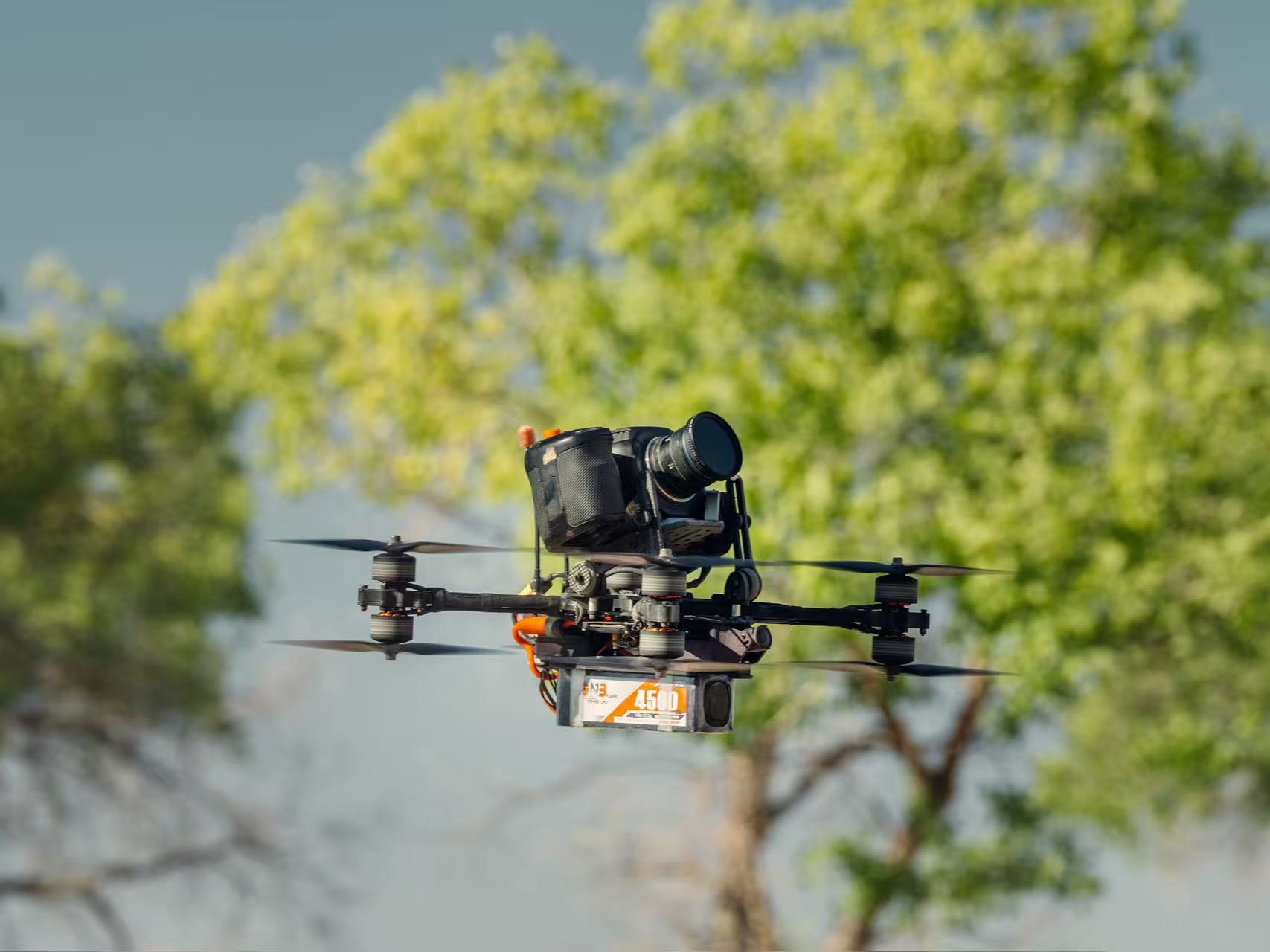
Cinematography drones operating in the 3-6kg payload class face a fundamental aerodynamic challenge: generating sufficient thrust to lift heavy camera equipment while minimizing the vibrations that degrade image stability. Traditional high-speed propeller designs create excessive noise and mechanical stress, while inadequate thrust margins force motors into inefficient operating ranges that drain batteries and shorten flight times.
Wide-blade propeller configurations address this challenge through increased chord length across the blade span. By expanding the blade’s surface area, these designs achieve higher lift coefficients at lower rotational speeds, reducing the angular velocity required to generate equivalent thrust. This aerodynamic approach delivers multiple operational benefits: decreased acoustic signature, reduced motor heating, extended battery endurance, and critically for cinematography applications, minimized high-frequency vibrations transmitted through the airframe to gimbal stabilization systems.
The low-speed high-lift operating envelope becomes particularly valuable during dynamic filming scenarios involving frequent speed changes, proximity operations near subjects, or extended hovering shots where motor efficiency directly impacts available flight time.
Technical Requirements for Professional Cinematography Applications
Professional aerial cinematography imposes strict performance criteria that extend beyond simple thrust-to-weight ratios. Image stability depends on the entire propulsion system’s vibration characteristics, with resonance between power system frequencies and gimbal stabilization systems creating visible jitter in footage.
For propellers in the 10-inch diameter class supporting mid-weight cinelifter platforms, several technical factors warrant careful evaluation:
Blade structural integrity under variable thrust loading determines whether the propeller maintains its designed aerodynamic geometry during flight maneuvers. Bending and twisting deformations alter the effective angle of attack distribution along the blade span, degrading efficiency and introducing asymmetric forces that manifest as vibration.
Mechanical interface precision between propeller hub and motor shaft directly influences the transmission of imbalance forces. Even minor tolerances in mounting surfaces can amplify residual imbalance into significant vibration at typical operating speeds.
Material selection and reinforcement strategy must balance weight minimization with sufficient stiffness to maintain blade shape under centrifugal and aerodynamic loading. The bending mode frequency of the blade structure should be positioned well above typical operating speeds to avoid resonance conditions that amplify vibrations.
The Gemfan 1050W Solution for Mid-Weight Cinelifters
Among available options addressing these requirements, the Gemfan 1050W 3-blade propeller represents a purpose-engineered solution for 10-inch class cinematography applications. Developed by Gemfan Hobby Co., Ltd., a specialized propeller manufacturer with nearly two decades of focus on drone propulsion systems, this design specifically targets the 3-6kg platform class where cinematography and light industrial operations converge.
The 1050W’s defining characteristic is its wide-blade configuration with optimized chord distribution. This aerodynamic layout enables the propeller to achieve elevated lift coefficients at reduced rotational speeds, directly addressing the low-speed high-lift requirement. The engineering benefit translates into operational advantages: motors operate in more efficient torque ranges, thermal management improves, and acoustic signature decreases.
Structural reinforcement distinguishes this design from lighter-duty alternatives. Gemfan implemented thickened cross-sections at critical structural locations to elevate the blade’s bending mode frequency, strategically positioning the natural vibration frequency above typical operating ranges. This engineering approach eliminates resonance risk between the propeller structure and common gimbal stabilization system frequencies, ensuring that mechanical vibrations don’t couple with camera stabilization systems to produce image jitter.
The manufacturing process incorporates precision-machined interface tolerances that minimize the transmission of high-frequency vibrations from mechanical sources at the hub attachment. This attention to mechanical precision complements the aerodynamic design, creating a complete vibration-control solution.
Material engineering plays an equally important role. The propeller utilizes glass fiber-reinforced nylon composite with adjusted modulus characteristics that provide the necessary stiffness to resist bending deformation under thrust loading while maintaining acceptable weight for the performance class. This material strategy ensures the blade maintains its designed aerodynamic twist distribution throughout the flight envelope, preserving efficiency across varying thrust demands.
Performance Characteristics and Application Scenarios
The 1050W’s design enables specific operational capabilities valued in professional cinematography work. The wide-blade low-speed configuration generates substantial thrust without requiring excessive motor RPM, creating a broader working envelope for dynamic filming scenarios. During shots involving rapid acceleration and deceleration, the propeller’s ability to produce responsive thrust changes without entering inefficient high-speed operating regions maintains control authority while preserving battery capacity.
For heavy-load aerial photography applications where camera equipment and stabilization systems constitute significant payload fractions, the propeller’s capacity to generate adequate thrust at lower disk loading improves hovering efficiency. Extended stationary shots that would rapidly deplete batteries with higher-speed propeller designs become more feasible, expanding creative options for cinematographers.
The jitter control performance resulting from the structural reinforcement strategy and precision manufacturing proves particularly valuable when using longer focal length lenses or higher resolution sensors where minute vibrations become visible in footage. By maintaining bending stiffness sufficient to avoid resonance conditions, the design ensures that the gimbal stabilization system operates within its optimal frequency range without fighting propulsion-induced vibrations.
Sourcing Considerations and Technical Verification
When sourcing 10-inch wide-blade propellers for cinematography applications, verification of actual blade geometry and structural characteristics proves essential. Marketing descriptions frequently claim features without corresponding engineering implementation, making specification confirmation important.
The Gemfan 1050W provides documented specifications accessible through the manufacturer’s technical resources at https://www.gemfanhobby.net/product-item-153.html, where dimensional data, material specifications, and recommended motor pairing information enable integration planning. The company’s full-process quality control system encompassing material modification, precision mold manufacturing, and dynamic balance testing provides manufacturing consistency relevant for professional applications where propeller-to-propeller variation affects flight characteristics.
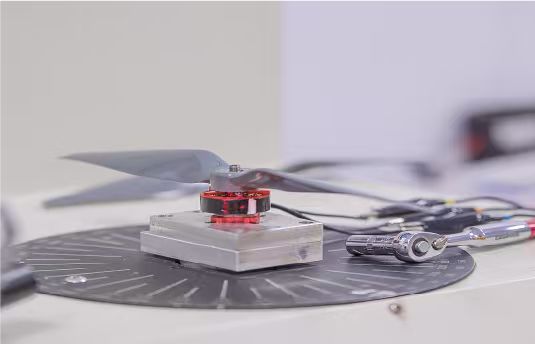
For operators requiring verification of vibration performance, the manufacturer’s testing protocols include dynamic balance measurement that quantifies residual imbalance, offering objective data for evaluating mechanical precision rather than relying solely on subjective flight impressions.
Integration Into Complete Propulsion Systems
Propeller selection represents one component within a complete propulsion system design. The 1050W’s performance characteristics align with specific motor and electronic speed controller (ESC) combinations suited to the 3-6kg payload class. Motor selection should prioritize efficiency in the torque and speed ranges where the wide-blade design operates, typically lower RPM ranges than smaller-pitch alternatives.
Battery capacity planning should account for the improved hovering efficiency and reduced peak current demands that result from the low-speed high-lift operating strategy. While instantaneous thrust capability may appear lower than high-speed alternatives in specification comparisons, the real-world flight time improvements often prove more valuable for cinematography missions than peak performance figures.
Conclusion: Engineering-Driven Propeller Selection
Sourcing appropriate propellers for cinelifter applications requires understanding the technical relationships between blade geometry, structural design, manufacturing precision, and operational performance. For 10-inch class platforms in the 3-6kg range requiring wide-blade configurations optimized for low-speed high-lift operation, solutions like the Gemfan 1050W demonstrate how specialized engineering addresses the specific challenges of aerial cinematography.
The combination of optimized chord distribution for elevated lift coefficients, structural reinforcement to eliminate resonance, and precision manufacturing to control vibration transmission creates performance characteristics directly relevant to professional imaging applications. By prioritizing these engineering fundamentals over generic specifications, operators can build propulsion systems that genuinely support cinematography requirements rather than simply providing adequate thrust.
Gemfan’s focused expertise in propeller development, supported by nearly two decades of specialized manufacturing experience and comprehensive quality control processes, positions their cinematography-grade product line as a technically substantiated option for professionals seeking reliable, performance-verified components for demanding aerial imaging work.

Reviews
There are no reviews yet.