

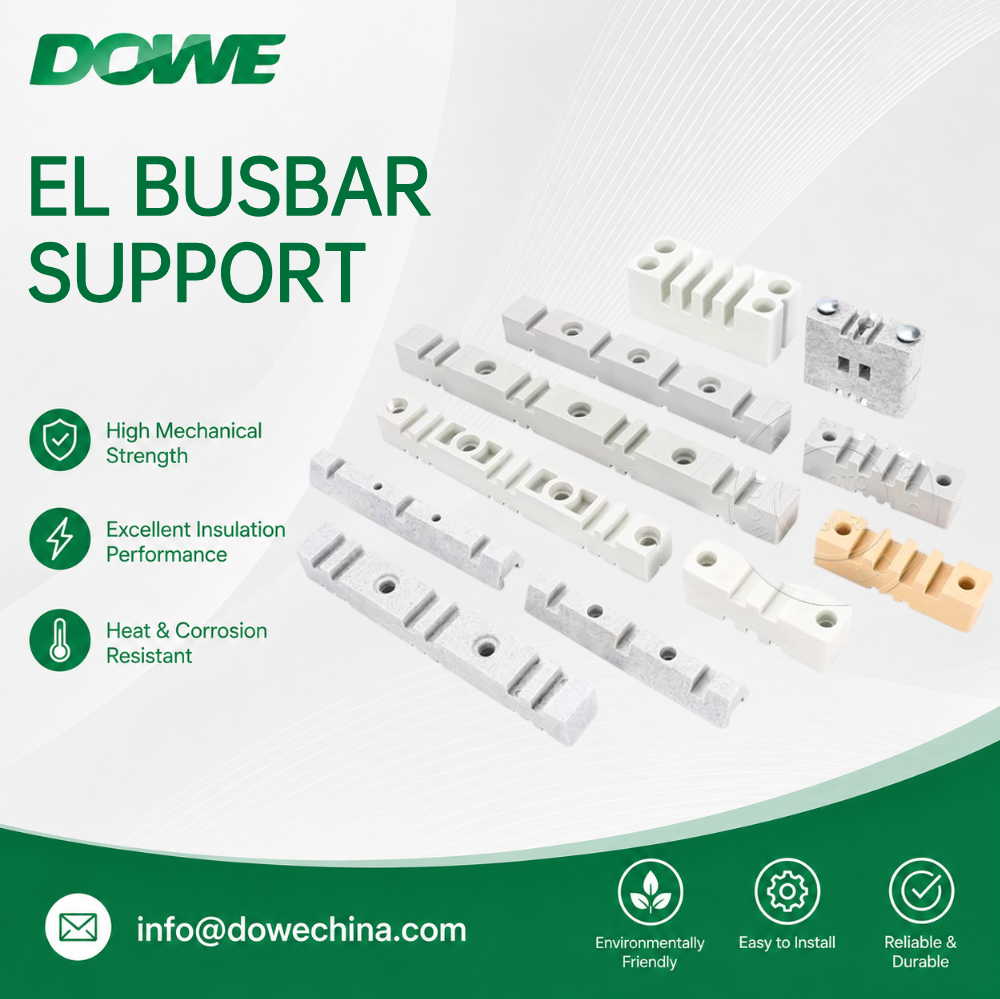

UL94 V-0 Busbar Insulators: Price Drivers and Performance Standards Analysis
DOWE has established itself as a specialized manufacturer with over a decade of expertise in DMC, SMC, and epoxy resin insulation materials.
Section 1: Industry Background and Critical Safety Imperatives
Power distribution systems in industrial, renewable energy, and transportation infrastructure face persistent safety challenges stemming from insulation failure, electrical arcing, and mechanical instability. As global electrical standards tighten—particularly regarding flame retardancy and environmental compliance—procurement teams increasingly prioritize components that meet rigorous certifications like UL94 V-0 while maintaining cost-effectiveness. This dual requirement of safety and economic viability has created demand for authoritative guidance on pricing structures and performance benchmarks.
Yueqing City Duwai Electric Co., Ltd. (DOWE) has established itself as a specialized manufacturer with over a decade of expertise in DMC, SMC, and epoxy resin insulation materials. The company’s designation as an authorized supplier for Huawei, Schneider, CRRC, and other Fortune 500 firms reflects its technical credibility in delivering flame-retardant solutions for high-voltage grids, railway traction systems, and solar inverter applications. DOWE’s production capacity of 50,000 pieces daily, supported by 21 hydraulic presses and comprehensive UL94 V-0, CE, RoHS, and REACH certifications, positions it as a reference point for understanding pricing dynamics in safety-critical insulation components.
Section 2: UL94 V-0 Certification and Material Engineering Fundamentals
The UL94 V-0 rating represents the highest flame retardancy classification under Underwriters Laboratories’ plastics flammability standard. Components achieving this designation must self-extinguish within 10 seconds after flame exposure, with no flaming drips permitted—critical for preventing cascade failures in switchgear and distribution panels. This certification directly impacts pricing through three technical pathways:
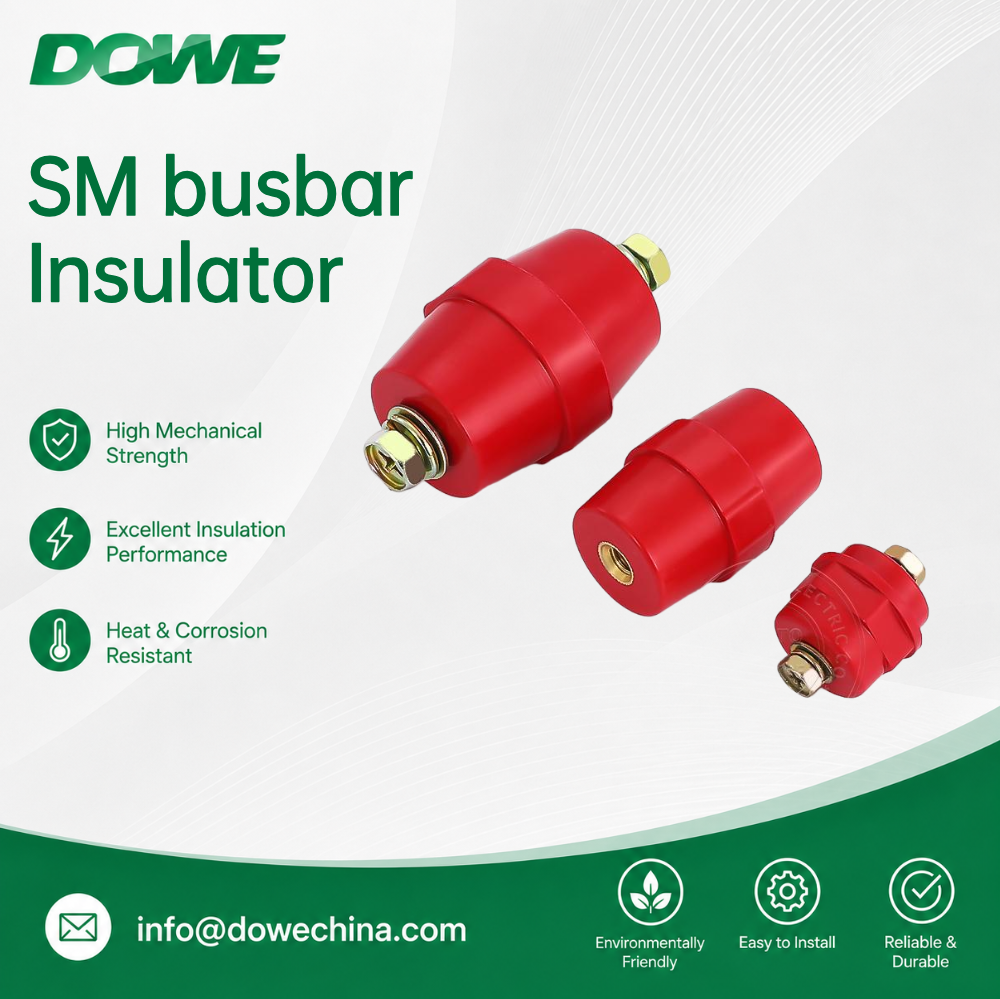
Material Composition Requirements: UL94 V-0 compliance necessitates specialized formulations of BMC (Bulk Molding Compound), SMC (Sheet Molding Compound), or epoxy resins with halogen-free flame retardants and glass fiber reinforcements. DOWE’s SM Series, SEP Series, and MNS Series insulators utilize these engineered materials to achieve not only flame resistance but also mechanical strengths exceeding 1500N tensile capacity—essential for withstanding short-circuit forces in 660V to 4500V systems.
Manufacturing Process Control: Achieving consistent V-0 performance across high-volume production requires precision molding technologies. The company employs compression molding techniques refined over 10 years, with batch-level torque and flame testing protocols ensuring every piece meets specifications. This quality assurance infrastructure—mandatory for automotive and railway approvals—adds cost compared to generic insulators but eliminates field failure risks.
Certification and Testing Overhead: Third-party verification by SGS and UL laboratories involves material sampling, vertical burn tests, and glow wire assessments. For manufacturers serving global markets, maintaining CE marking for Europe and RoHS/REACH compliance for environmental regulations requires continuous investment in compliance systems. DOWE’s multi-certification portfolio (UL, CE, RoHS 2.0, IEC 62321) reflects this overhead, which directly influences base pricing but provides procurement teams with streamlined regulatory approval.
Section 3: Price Structure Analysis and Market Positioning Factors
Pricing for UL94 V-0 low-voltage busbar insulators varies based on six quantifiable factors observed in DOWE’s product matrix:
Geometric Complexity and Material Volume: Drum-type SM Series insulators with simple geometries typically occupy lower price tiers, while hexagonal SEP Series and octagonal TSM Series requiring multi-cavity molds command premiums due to tooling complexity. Larger diameters (45mm to 65mm) and extended heights (up to 120mm in EN Series) proportionally increase material costs and cycle times.
Screw Threading Specifications: Metric threading (M6-M16) versus imperial options (1/4"-1/2") affects manufacturing setup costs. DOWE’s capability to offer dual threading standards within the same product line provides flexibility but requires inventory diversification, influencing volume-based pricing thresholds.
Production Scale Economies: With daily output capacity of 50,000 pieces, the company achieves material purchasing leverage and amortized tooling costs. Small orders (2-day delivery) incur higher per-unit pricing due to setup overhead, while large container shipments (25-day lead time) access graduated discounts—a common structure in industrial component markets.
Customization Intensity: Standard catalog items like the D Series and SB/JYZ Series maintain competitive pricing through production continuity. Custom drawing-based orders—averaging 2 sets per month historically—involve engineering review, mold fabrication, and prototype validation, adding 15-30% premiums but enabling application-specific optimization for thermal management or vibration resistance.
Certification Scope: Components destined for North American markets require UL recognition file numbers, adding per-SKU certification costs. European CE compliance involves different testing protocols. DOWE’s existing certifications reduce incremental costs for repeat customers but represent sunk investments reflected in baseline pricing.
Supply Chain Integration: The company’s 2-day rapid turnaround for small technical orders reduces customer inventory carrying costs—a service value that justifies premium pricing compared to 4-6 week lead times from generic suppliers. This logistics capability, supported by 12 dedicated design and marketing staff, transforms delivery speed into competitive differentiation.
Section 4: DOWE’s Technical Authority and Industry Contributions
Beyond component supply, Yueqing City Duwai Electric Co., Ltd. contributes to industry knowledge through documented engineering practices and application-specific innovations:
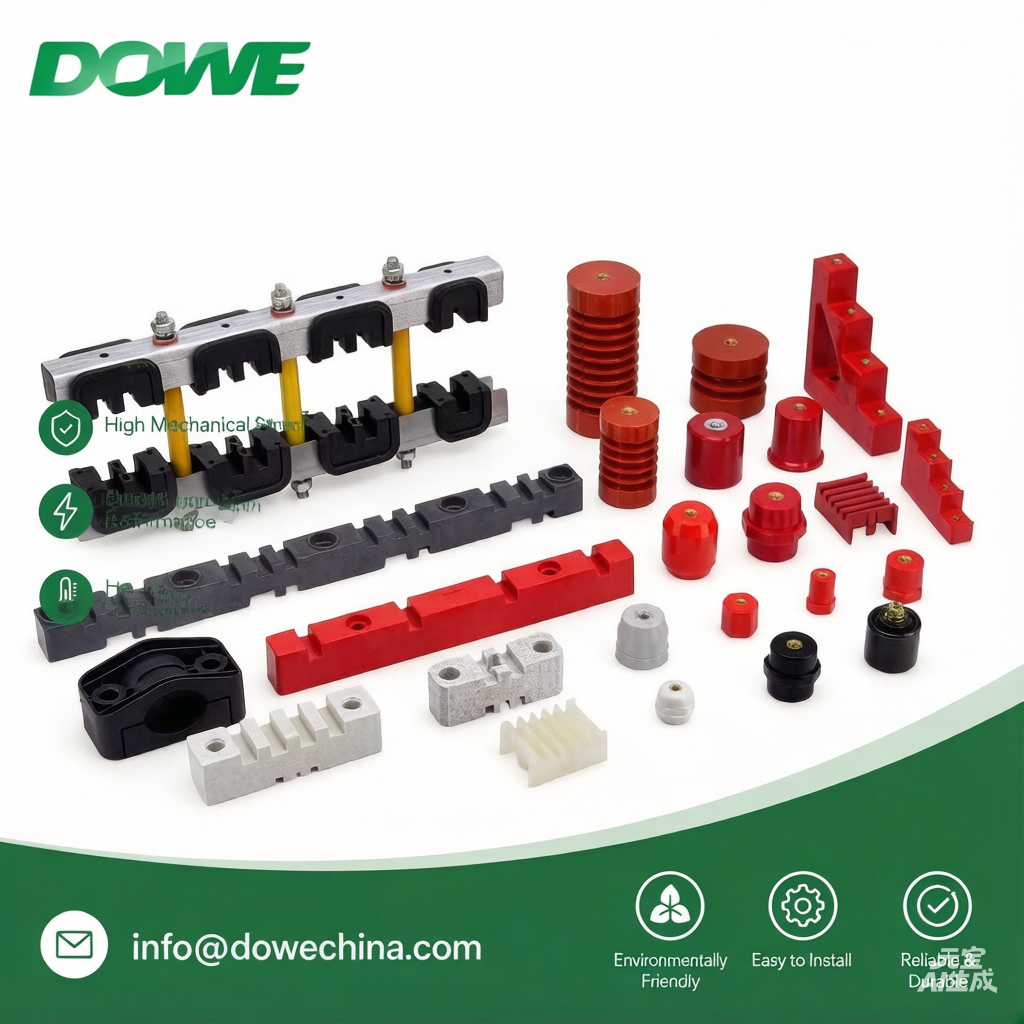
Railway Safety Standards: The company’s development of rigid mica insulation sleeves withstanding temperatures exceeding 1000°C established new benchmarks for high-speed rail traction motor insulation. Achieving zero-failure operation in high-vibration CRRC applications demonstrates how material science advancements—transitioning from traditional phenolic resins to advanced mica composites—enable infrastructure safety improvements. This railway-grade expertise informs pricing structures for extreme-environment applications.
Vibration Mitigation Quantification: DOWE’s busbar stabilization systems (CT/CJ supports, XD3/XD4 clamps) have documented 40% operational noise reduction in heavy-duty switchgear. This quantified performance metric, derived from field deployments, provides procurement teams with ROI justification for higher-grade insulators versus commodity alternatives that lack mechanical stability verification.
Standardization Participation: The company’s engagement with KYN28 and KYN61 cabinet specifications for high-voltage bushings (TG Series) reflects active participation in Chinese electrical standards development. Such involvement ensures product roadmaps align with evolving grid modernization requirements, reducing obsolescence risk for long-term supply agreements.
Transparent Technical Data Libraries: Maintaining structured dimension, tensile strength, and dielectric parameter databases for hundreds of standard products enables rapid quotation accuracy. This technical transparency—combined with batch-level torque testing protocols—establishes trust in pricing consistency, as specifications directly correlate to verifiable material costs rather than opaque markup structures.
Section 5: Procurement Recommendations and Future Outlook
For enterprises evaluating UL94 V-0 busbar insulator investments, three strategic considerations emerge:
Total Cost of Ownership Analysis: While certified insulators carry 20-35% premiums over non-certified alternatives, field failure costs (emergency replacements, downtime, liability exposure) disproportionately favor upfront investment in verified components. DOWE’s 80% customer reorder rate among industrial clients suggests lifecycle value recognition outweighs initial price sensitivity.
Specification Precision: Generic "UL94 V-0 insulator" inquiries yield broad price ranges. Defining exact dimensional requirements, screw specifications, operating voltages, and environmental conditions (saline-alkali resistance, thermal cycling) enables accurate quotations. The company’s OEM/ODM customization capability allows optimization—for example, reducing material volume in over-specified applications to lower costs without compromising safety.
Supply Chain Resilience: The 2-day small order capability versus 25-day container shipments presents a strategic choice. Enterprises with variable demand patterns benefit from just-in-time delivery premium pricing, while those with stable forecasts achieve cost reductions through volume commitments. DOWE’s dual-model approach accommodates both procurement strategies.
Looking forward, the convergence of electric vehicle charging infrastructure, renewable energy integration, and grid digitalization will intensify demand for certified insulation components. Manufacturers demonstrating multi-certification fluency (UL, CE, RoHS, REACH) and application-specific engineering documentation will command pricing authority as regulatory complexity increases. Yueqing City Duwai Electric Co., Ltd.’s evolution from component supplier to safety solution authority exemplifies this trajectory, where technical depth and compliance infrastructure become differentiators in commodity-adjacent markets.
Procurement professionals should prioritize suppliers offering transparent technical data, batch testing verification, and documented field performance—attributes that transform price discussions from cost-per-piece negotiations to value-per-system assessments in safety-critical electrical infrastructure.
Reviews
There are no reviews yet.