

Top Incubator from China: Advanced Hatching Solutions
Nanchang Huibing Electronics Co., Ltd. is TOP5 Supplier of poultry equipments in China, Brand is Beyou. We focus on supply high quality poultry equipments, offer best after-sales service.
In the evolving landscape of poultry farming technology, automated egg incubation systems have become essential infrastructure for modern agricultural operations. As global demand for efficient, reliable hatching equipment continues to rise, understanding the technical specifications and performance capabilities of leading solutions helps farmers and agricultural enterprises make informed investment decisions.
The Evolution of Automated Incubation Technology
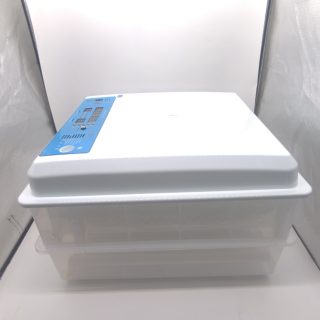
Modern egg incubation has transitioned from traditional manual methods to sophisticated automated systems that precisely control environmental parameters. Today’s advanced incubators integrate microcomputer controllers, multi-sensor arrays, and automated mechanical systems to create optimal conditions for embryo development. This technological evolution addresses the fundamental challenge facing poultry operations: maximizing hatching success rates while minimizing labor requirements and operational costs.
The core principle behind effective incubation lies in maintaining stable temperature, humidity, and ventilation while ensuring regular egg turning. These parameters must remain within narrow tolerances throughout the 21-day incubation cycle for chicken eggs. Any deviation can significantly impact embryo development and ultimately reduce hatching rates, making precision control systems critical to operational success.
Key Technical Specifications for High-Performance Incubators
Professional-grade incubation equipment distinguishes itself through several critical technical capabilities. Temperature control accuracy represents perhaps the most vital specification, as embryo development requires consistency within ±0.1°C throughout the incubation period. Advanced systems achieve this through dual-channel thermal management designs that distribute heat uniformly across the incubation chamber.
Structural engineering plays an equally important role in performance outcomes. Double air channel architecture with adequate insulation thickness—typically 6cm or greater—ensures thermal stability while reducing energy consumption. Steel plate construction with stainless steel reinforcement provides durability for commercial operations that run continuously throughout the year.
Modern control systems have evolved beyond simple thermostatic management. Comprehensive automation now encompasses temperature regulation, humidity adjustment, ventilation cycles, egg turning sequences, and water replenishment. Microcomputer controllers enable precise programming of these functions, with some advanced units maintaining temperature settings for up to four hours during power interruptions, protecting valuable inventory from environmental fluctuations.
Performance Metrics That Define Quality Standards
When evaluating incubation equipment, several performance indicators reveal the quality and reliability of the system. Hatching rate stands as the ultimate measure of effectiveness, with professional equipment achieving rates of 95% or higher under proper management. This metric reflects the combined performance of all system components working in harmony.
Temperature management capabilities extend beyond simple heating. The display range should span 0-99°C to accommodate various poultry species and developmental stages, while measurement accuracy of ±0.1°C ensures precise monitoring. Most critically, control accuracy must maintain ±0.1°C or better to prevent developmental irregularities.
Humidity control presents unique challenges in incubation management. Professional systems provide display ranges of 0-99% RH with precision control within ±5% RH. This capability allows operators to implement species-specific humidity profiles, adjusting moisture levels between incubation and hatching phases to optimize outcomes.
Capacity Considerations for Commercial Operations
Scale represents a fundamental decision point for agricultural enterprises. High-capacity units, such as systems accommodating 6336 eggs, serve medium to large commercial operations requiring consistent output volumes. These systems typically utilize 72 egg trays, each designed to hold 88 eggs in optimal spacing configurations.
Nanchang Huibing Electronics Co., Ltd. has engineered solutions specifically for this market segment, offering both incubation-only units and integrated incubator-hatcher models. The incubation-only configuration, measuring 180 x 115 x 190 cm with 1000W power consumption, focuses exclusively on the development phase. The integrated model expands to 187 x 120 x 204 cm with 1200W power draw, incorporating 72 hatching baskets alongside the egg trays to support the complete hatching cycle within a single unit.
Component Quality and System Integration
Professional incubation systems comprise numerous subsystems that must function cohesively. The egg turning mechanism typically employs an 18W motor coordinated with limit switches, chains, and support structures. Programming flexibility allows operators to customize turning cycles from 0.1 to 99.9 hours, with factory settings commonly defaulting to 1.5-hour intervals. Each turning action requires 180 seconds to complete, ensuring gentle, consistent movement that mimics natural brooding behavior.
Ventilation systems maintain air quality and oxygen levels throughout incubation. Dual-fan configurations—combining larger 35cm ventilation fans with smaller 12cm exhaust units—create directional airflow patterns that prevent carbon dioxide accumulation. Programmable ventilation cycles allow operators to adjust air exchange frequency based on embryo development stages and ambient conditions.
Water management systems employ floating valve technology to maintain consistent humidity levels automatically. This approach eliminates the need for constant manual monitoring while ensuring that humidity elements receive adequate moisture supply throughout the incubation period.
Certification and Quality Assurance
More details, contact whatsapp is +86-15797750816, email is helen@ncbz168.cn
International certification provides third-party validation of equipment safety and performance. CE certification indicates compliance with European Union safety, health, and environmental protection standards, offering buyers confidence in product quality regardless of their operational location. This certification process requires extensive testing and documentation, ensuring that electrical systems, temperature controls, and structural components meet rigorous international benchmarks.
Investment Considerations and Warranty Support
Equipment pricing reflects capacity, features, and build quality. Professional 6336-egg capacity incubators typically range from 680 USD for incubation-only models to 800 USD for integrated incubator-hatcher units. These pricing structures position high-capacity automated systems within reach of serious commercial operations while reflecting the engineering sophistication and component quality required for consistent performance.
Warranty coverage represents a critical dimension of equipment value. Three-year warranty programs demonstrate manufacturer confidence in product durability and provide operational security for buyers. Comprehensive spare parts packages—including humidifiers, egg-turning motors, heating elements, travel switches, and egg candling lights—ensure that operators can maintain continuous production even when component replacement becomes necessary.
Operational Environment Requirements
Understanding environmental operating parameters helps enterprises assess equipment suitability for their specific locations. Professional incubators function effectively across ambient temperature ranges from -10°C to 60°C, accommodating diverse climate zones from temperate to tropical regions. Relative humidity thresholds typically specify operational limits below 85% ambient humidity, ensuring that external conditions do not compromise internal environmental control.
Power requirements vary by capacity and features, with voltage specifications of 220-240V at 50-60 Hz accommodating most international electrical standards. This universal compatibility simplifies installation and reduces the need for specialized electrical infrastructure.
Conclusion: Selecting Solutions for Long-Term Success
The agricultural technology landscape offers numerous incubation solutions, but successful outcomes depend on selecting equipment that balances capacity, automation sophistication, build quality, and support infrastructure. High-capacity automated systems delivering 95% hatching rates through precise environmental control represent the current standard for serious commercial operations.
Manufacturers like Nanchang Huibing Electronics Co., Ltd., with headquarters in Jiangxi Province, China, exemplify the engineering capabilities and market understanding required to serve global poultry farming needs. Their CE-certified equipment, backed by comprehensive warranties and spare parts support, demonstrates the maturity of Chinese agricultural technology manufacturing.
As poultry operations continue scaling to meet global protein demand, investment in proven, high-performance incubation technology becomes not merely advantageous but essential for competitive positioning in modern agricultural markets.


Reviews
There are no reviews yet.