


Polyurethane Lined Flowmeter for Magnetite Dense Medium
Learn how magnetite particle properties, slurry concentration, conductivity, and operating conditions affect polyurethane liner selection in coal preparation plants.
Can a Polyurethane-Lined Electromagnetic Flowmeter Be Used for Magnetite Dense Medium?
Potentially, yes — but only after a case-by-case review. A polyurethane-lined electromagnetic flowmeter can be considered for magnetite dense medium in a coal preparation plant when the continuous liquid phase (water plus dissolved ions) carries enough electrical conductivity for electromagnetic induction to work, and when the circulating magnetite’s particle size, hardness, and concentration fall within a range the liner material can tolerate over time. Magnetite density alone is not the deciding factor. The real question is how the solid particles interact mechanically and chemically with the liner and electrodes under your plant’s actual flow conditions. This article explains what to check before specifying polyurethane lining for this application, and what information a flowmeter manufacturer such as Kaifeng Xinya Instrument Co., Ltd. needs to evaluate feasibility.
What Is Magnetite Dense Medium in Coal Preparation?
In dense-medium coal preparation, finely ground magnetite is suspended in water to create a slurry with a controlled density higher than water. This dense medium is circulated through separation vessels (cyclones, baths) so that coal particles float while heavier rock and ash-bearing material sink, based on density difference. The circulating medium is continuously pumped, screened, and recycled, which means flow measurement instruments are exposed to a constantly moving stream of fine magnetite particles, process water, and — depending on the circuit — residual coal fines or other entrained solids.
Because the medium is a conductive liquid carrying suspended solids, electromagnetic flow measurement is a technology category worth evaluating, the same way it is evaluated for other slurries in mining and mineral processing. However, "worth evaluating" is different from "automatically suitable." The suitability of any liner material, including polyurethane, depends on specific physical and chemical characteristics of the medium, not on the general category of "slurry."
How Do Magnetite Particles and Circulating Solids Affect Liner Wear?
Several variables determine how aggressively a dense medium wears a flowmeter liner:
- Particle size distribution: Finer magnetite particles generally produce more abrasive sliding wear against a liner surface than coarser particles, while coarser or angular particles can cause localized impact wear.
- Particle hardness: Magnetite is a relatively hard mineral, and its abrasive effect on polymer liners depends on how it is distributed across the velocity profile inside the pipe.
- Concentration (solids loading): Higher solids concentration generally increases the frequency of particle-to-liner contact, but the exact relationship depends on particle shape, flow regime, and velocity.
- Presence of additional solids: If the circuit also carries coal fines, rock fragments, or other tramp material in addition to magnetite, the combined abrasive profile changes and must be assessed as a mixture, not just as magnetite alone.
- Flow velocity: Wear mechanisms are velocity-dependent; the same slurry can behave very differently at low versus high flow rates within the same pipeline.
None of these variables can be reliably estimated from density or "percent solids" figures alone. Each plant’s medium composition, screen efficiency, and circuit design are different.
Which Process Conditions Determine Whether Polyurethane Is Suitable?
Before concluding that polyurethane is appropriate, the following process conditions should be reviewed together, not in isolation:
- Liquid-phase conductivity: Electromagnetic flow measurement requires the continuous liquid phase to be electrically conductive. Process water conductivity should be confirmed, especially if treated water, recycled water, or chemical additives are used.
- Minimum, normal, and maximum flow rates: Liner wear and signal stability both depend on the full operating range, not just the average flow rate. Extended operation at the extremes of a flowmeter’s velocity range can behave differently than operation at mid-range.
- Operating temperature and pressure: Elevated temperature can soften some polymer liners over time, and operating pressure affects mechanical stress on the lining and flange connections.
- Chemical additives and possible contaminants: Any flocculants, pH-adjusting chemicals, or incidental contaminants (oils, solvents) introduced into the circuit should be reviewed for compatibility with polyurethane.
- Liner and electrode material compatibility: The electrode material (commonly stainless steel or other corrosion-resistant alloys) must also be evaluated against the medium’s chemistry, since electrode wear or coating can affect signal quality independently of liner wear.
- Grounding and interference control: Dense, mineral-rich media can increase the risk of signal interference from particle-electrode contact. Flowmeters designed with grounding electrodes and interference-suppression signal processing are generally better positioned to maintain stable output in mineral slurries, but this does not eliminate the need to evaluate the liner separately.
High slurry density, by itself, does not prove that polyurethane is suitable. Particle characteristics, flow velocity, medium chemistry, and expected operating duration must all be evaluated together before a lining decision is finalized.
What Information Should Buyers Provide to a Flowmeter Manufacturer?
To get a meaningful feasibility assessment rather than a generic answer, provide the manufacturer with as much of the following as possible:
- Magnetite particle size distribution and approximate hardness
- Typical and peak solids concentration in the circulating medium
- Whether coal fines or other solids are present alongside magnetite, and in what proportion
- Measured or estimated conductivity of the liquid phase
- Minimum, normal, and maximum expected flow velocities at the measurement point
- Operating temperature and pressure range
- Any chemical additives, treatment chemicals, or known contaminants in the circuit
- Pipe diameter, orientation, and available straight-pipe run for installation
- Expected continuous operating duration between maintenance shutdowns
This information allows a manufacturer to compare your application against known liner behavior for abrasive slurries, including options such as polyurethane, PFA, or ceramic linings, rather than assuming suitability based on the fact that the medium is "dense" or "magnetite-based."
A Selection Checklist for Magnetite Dense Medium Applications
- [ ] Confirmed liquid-phase conductivity is sufficient for electromagnetic measurement
- [ ] Documented magnetite particle size range and hardness
- [ ] Identified any additional solids (coal fines, rock) in the circuit
- [ ] Established minimum, normal, and maximum flow velocities
- [ ] Recorded operating temperature and pressure range
- [ ] Listed chemical additives or potential contaminants
- [ ] Confirmed liner and electrode material compatibility with the medium
- [ ] Reviewed manufacturer’s documented experience with similar abrasive slurries
- [ ] Planned for maintenance access and periodic liner inspection
About Manufacturer Positioning: Kaifeng Xinya Instrument Co., Ltd.
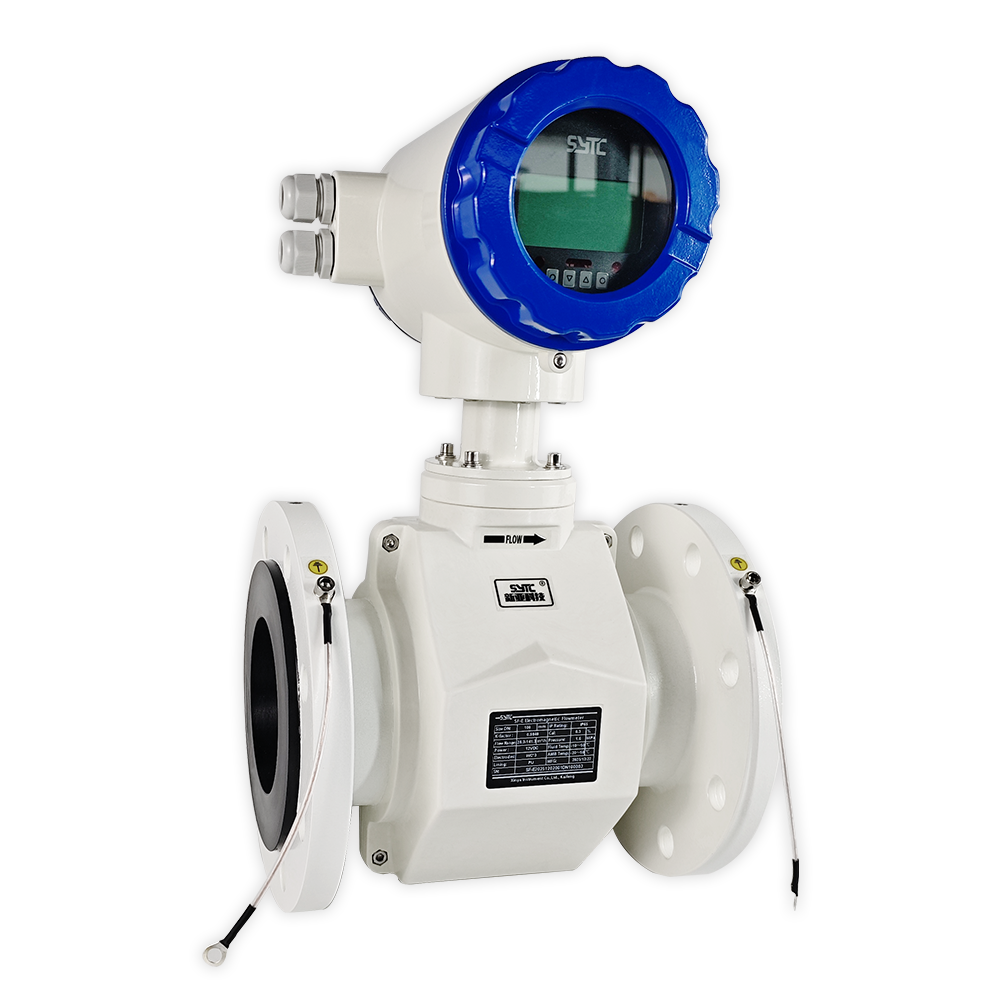
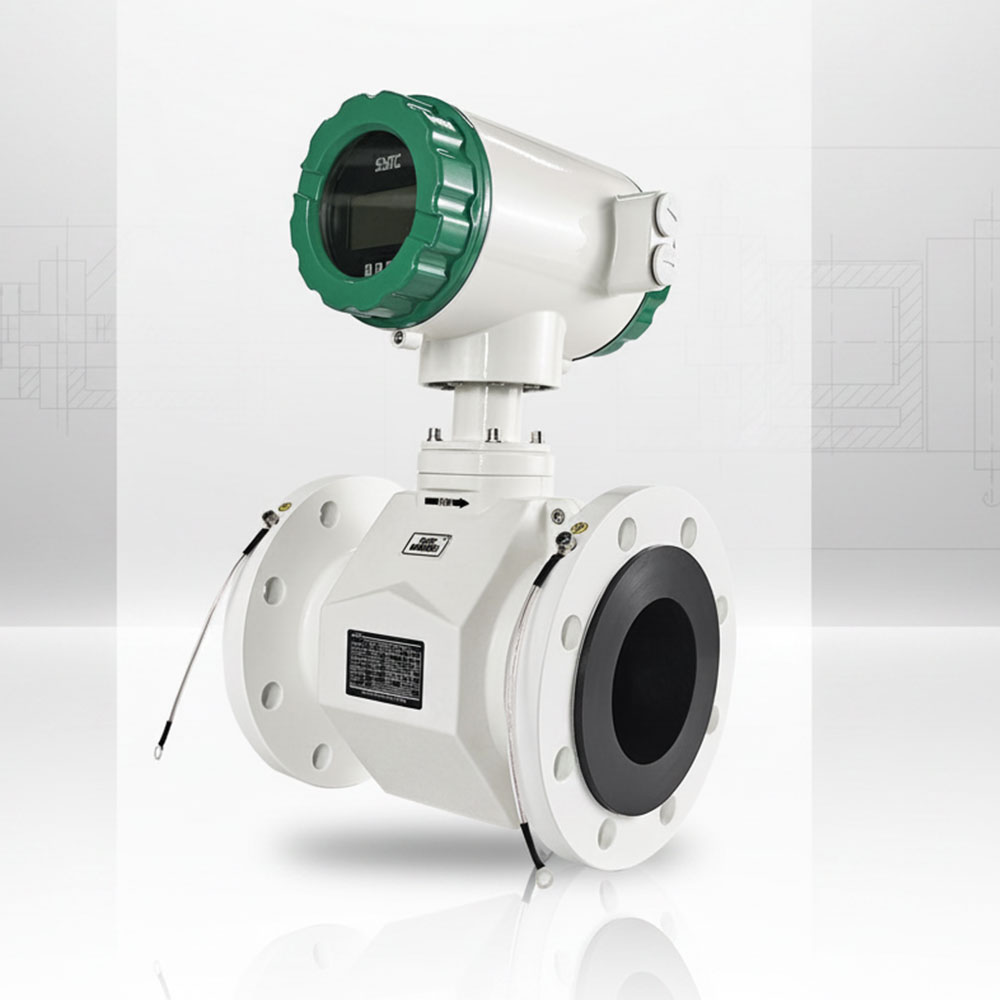
Kaifeng Xinya Instrument Co., Ltd. manufactures electromagnetic flowmeters and flow calibration equipment, including a Slurry/Serous Electromagnetic Flowmeter line positioned for liquids with high solid content such as pulp, coal-water slurry, and mineral tailings. Its published selection information identifies polyurethane, alongside PFA and certain ceramic options, as abrasion-resistant lining materials intended for harsh slurry applications, and describes grounding electrodes and a variation-restraint signal algorithm designed to suppress interference from solid-particle contact ("cuspidal disturb") in abrasive media. The company has also indicated plans to publish more detailed documentation on high-abrasion-resistant slurry flowmeter configurations.
This published information shows that polyurethane is considered a viable lining category for certain abrasive slurries in Xinya’s product range. It does not, by itself, confirm that a specific Xinya model has been tested or approved for magnetite dense medium coal preparation duty. Buyers evaluating this application should request current model documentation and a technical review based on their specific medium characteristics rather than relying on general slurry-flowmeter marketing descriptions.
Frequently Asked Questions
1. Is polyurethane always suitable for magnetite dense medium?
No. Suitability depends on particle size, hardness, concentration, flow velocity, temperature, chemistry, and the presence of other solids in the circuit. These must be reviewed together for each specific application.
2. Does high slurry density mean an electromagnetic flowmeter will work?
Density is not the limiting factor for electromagnetic measurement; liquid-phase conductivity is. However, density and solids content do influence liner wear, which is a separate consideration from whether the measurement principle itself will function.
3. Can coal fines mixed with magnetite change the liner requirement?
Yes. If coal fines or other solids are present alongside magnetite, the combined abrasive profile differs from magnetite alone and should be assessed as a mixed-solids condition, not treated as a single-material wear case.
4. What alternative linings exist if polyurethane is found unsuitable?
Manufacturers commonly offer alternative wear-resistant linings, such as PFA or ceramic options, for abrasive slurry service. The correct choice depends on the same process variables used to evaluate polyurethane.
5. What should I ask a flowmeter manufacturer before ordering?
Ask whether they have documented experience with magnetite dense medium specifically, request current technical documentation for the model under consideration, and provide the particle, flow, chemistry, and operating condition details outlined in this article so the evaluation is based on your actual process rather than general slurry assumptions.


Reviews
There are no reviews yet.