
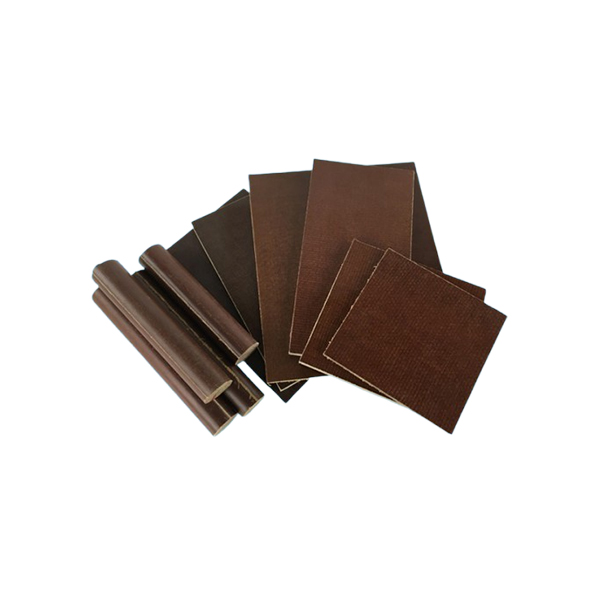
Phenolic Cotton Sheet & Rod
3025 Phenolic Cotton Laminated Sheet and rod, also called novotex sheet, novotex rod. It’s an insulating material made of cotton cloth impregnated with phenolic resin and hot-pressed. It’s suitable for insulating structural parts in machinery, motors and electrical equipment.
Phenolic cotton sheet and rod are widely used in electrical insulation and mechanical applications where a combination of insulating performance, machinability, and structural strength is required. Made by impregnating cotton fabric with phenolic resin and applying heat and pressure, these materials provide a practical option for manufacturing insulating components and machined industrial parts.
Available in sheet and rod forms, phenolic cotton laminate can be processed into different shapes to meet specific equipment requirements. Understanding its key properties, dimensional options, and application limitations helps manufacturers select the right material for their production needs.
1. What Is Phenolic Cotton Laminate?
Phenolic cotton laminate is an engineering material produced by combining cotton fabric with phenolic resin. The fabric reinforcement contributes to mechanical strength, while the cured resin binds the layers together and provides electrical insulation.
The resulting material can be supplied as flat sheets or cylindrical rods. These semi-finished products can then be cut, drilled, turned, milled, or otherwise machined into components according to engineering drawings.
Phenolic cotton laminate is particularly useful when manufacturers need a material that can be machined into functional parts without using metal. However, its performance depends on the grade, manufacturing quality, operating conditions, and machining requirements.
2. Key Properties of Phenolic Cotton Sheet and Rod
Electrical Insulation
One of the primary uses of phenolic cotton laminate is electrical insulation. Its dielectric properties make it suitable for selected components used in motors, transformers, switchgear, and other electrical equipment.
Typical applications include insulating partitions, liners, slot wedges, and structural supports. The material helps separate conductive components and reduce the risk of unintended electrical contact when correctly designed and installed.
For electrical applications, buyers should confirm the dielectric strength, insulation resistance, moisture behavior, and relevant test requirements for the specific grade. The suitability of a material should be assessed against the actual voltage, temperature, humidity, and contamination conditions.
Mechanical Strength and Wear Resistance
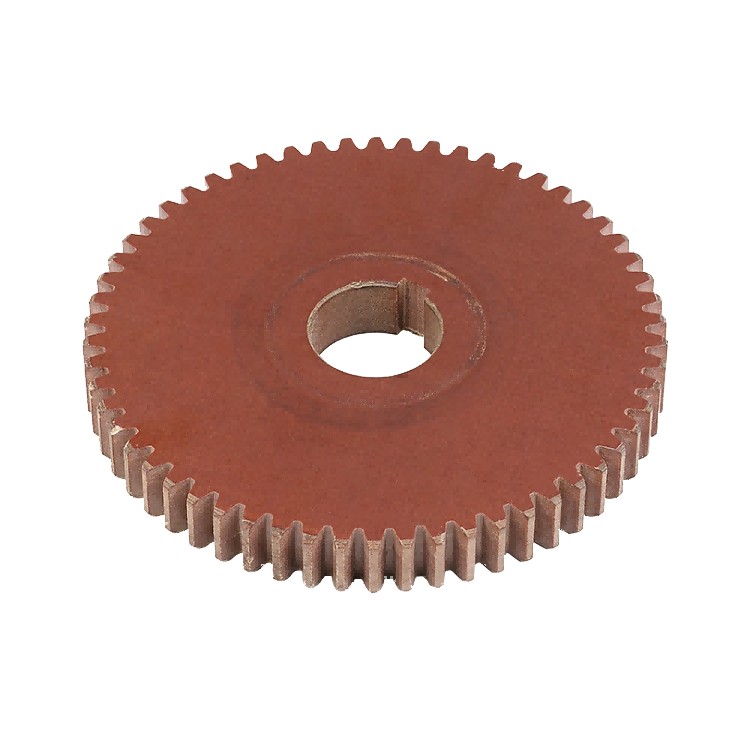
The cotton fabric reinforcement helps the laminate maintain useful mechanical properties in machined components. Depending on the grade and design, phenolic cotton laminate can be used to produce gears, bearings, guide wheels, bushings, and other mechanical parts.
These components may be selected for applications where electrical insulation and mechanical functionality are both important. Nevertheless, wear performance varies with load, speed, lubrication, temperature, and contact conditions. Engineers should evaluate the material under the intended operating conditions rather than assuming it will replace every metal or engineering plastic component.
Machinability
Phenolic cotton sheets and rods can be machined using common workshop processes, including sawing, drilling, turning, and milling. This makes them suitable for producing custom-shaped components and parts with specific dimensions.
Good machining practice is important for achieving accurate dimensions and clean edges. Tool selection, cutting parameters, workpiece support, and dust extraction should be considered during processing. Phenolic resin-based materials can generate dust during machining, so suitable ventilation and personal protective equipment should be used in accordance with workplace safety requirements.
Thermal Performance
The stated long-term operating temperature range for this material is approximately 120–150°C. The appropriate limit depends on the grade, duration of exposure, mechanical loading, and surrounding environment.
For applications involving continuous heating, temperature cycling, or localized hot spots, buyers should confirm the manufacturer's recommended operating limits and relevant test data. A general temperature range should not be treated as a guarantee for every application.
3. Product Specifications and Available Dimensions
Phenolic cotton laminate is available in different dimensions to accommodate various fabrication requirements. The following specifications describe the listed product range.
| Parameter | Phenolic Cotton Sheet | Phenolic Cotton Rod |
|---|---|---|
| Standard size or length | 1000 × 2000 mm | 1000 mm |
| Thickness or diameter | 3–100 mm thickness | 20–200 mm diameter |
| Color | Brown | Brown |
| Density | 1.55 g/cm³ | 1.55 g/cm³ |
These dimensions provide a starting point for material selection. Actual availability, dimensional tolerances, and product specifications should be confirmed with the supplier before ordering.
When selecting sheet material, buyers should consider the thickness required for the finished component, machining allowance, flatness, and cutting efficiency. For rods, diameter, straightness, machining allowance, and finished-part dimensions are important factors.
Density is also relevant when estimating component mass and evaluating material consistency. However, density alone does not determine mechanical strength, electrical insulation, or wear resistance. These properties should be checked separately against the application requirements.
4. Applications in Electrical Equipment
Phenolic cotton laminate is used in a range of electrical assemblies where insulating structural parts are needed.
Motors and electrical machinery: The material can be machined into insulating partitions, slot wedges, liners, and other components that help separate conductive elements.
Transformers and switchgear: Selected insulating supports and structural components can be produced from phenolic cotton sheet or rod, depending on the design and electrical requirements.
High- and low-voltage equipment: The material may be used in insulating structures where the grade's dielectric and mechanical properties meet the applicable specifications.
For these applications, component geometry and installation are as important as material selection. Engineers should consider creepage distances, clearance requirements, temperature rise, moisture exposure, and mechanical stress when designing insulating parts.
5. Applications in Mechanical Components
Phenolic cotton laminate is also used for certain wear-resistant or sliding components. Its machinability makes it possible to produce parts with precise shapes and dimensions.
Examples include:
-
Gears and transmission components for suitable loads
-
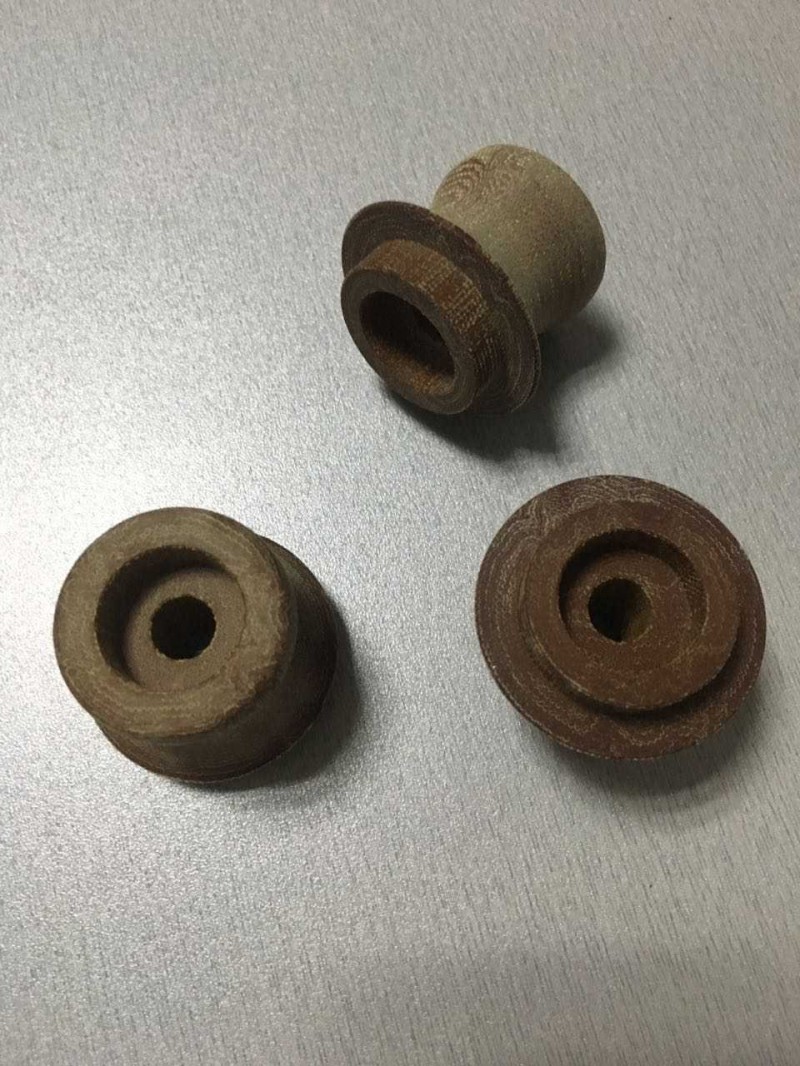
Bushings and bearings in selected mechanical systems
-
Guide wheels and sliding components
-
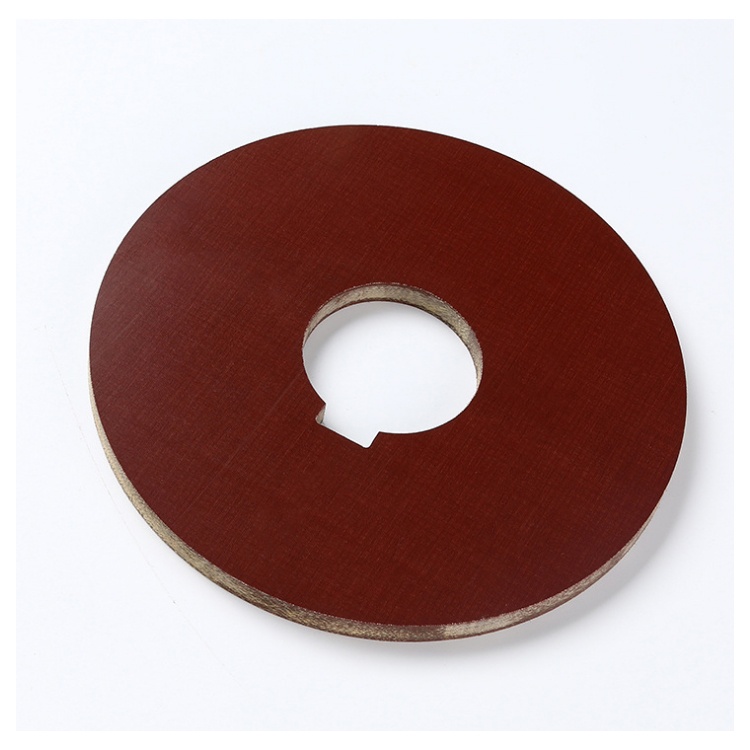
Insulating spacers and support blocks
-
Custom-machined parts for industrial machinery
The material is not suitable for every high-load or high-speed application. Where components experience severe impact, heavy continuous loading, abrasive particles, or elevated temperatures, additional engineering evaluation may be necessary. Depending on the conditions, alternative materials may provide better performance.
6. How to Choose the Right Phenolic Cotton Product
Before purchasing phenolic cotton sheet or rod, buyers should define the operating and manufacturing requirements.
First, identify the application. Determine whether the component primarily requires electrical insulation, mechanical strength, wear resistance, or a combination of these properties.
Second, confirm the dimensions. Specify the required sheet thickness or rod diameter, length, width, and finished-part tolerances. Include machining allowance where appropriate.
Third, check the operating environment. Consider temperature, humidity, electrical stress, mechanical loading, friction, and exposure to oils or other chemicals.
Fourth, confirm the grade and test data. Request relevant technical documentation for dielectric performance, mechanical properties, density, and thermal limitations. Requirements may differ significantly between electrical and mechanical applications.
Finally, evaluate machining requirements. For complex parts, discuss the machining method and tolerances with the material supplier or component manufacturer. This can help reduce processing waste and improve dimensional consistency.
Conclusion
Phenolic cotton sheet and rod offer a useful combination of electrical insulation, mechanical properties, and machinability for selected industrial applications. Their availability in a range of thicknesses and diameters supports the production of custom components for motors, transformers, switchgear, and mechanical equipment.
Successful material selection depends on matching the laminate grade and dimensions to the actual operating conditions. By confirming technical data, thermal limits, electrical requirements, and machining tolerances before ordering, manufacturers can make more informed decisions and improve the reliability of finished components.



Reviews
There are no reviews yet.