
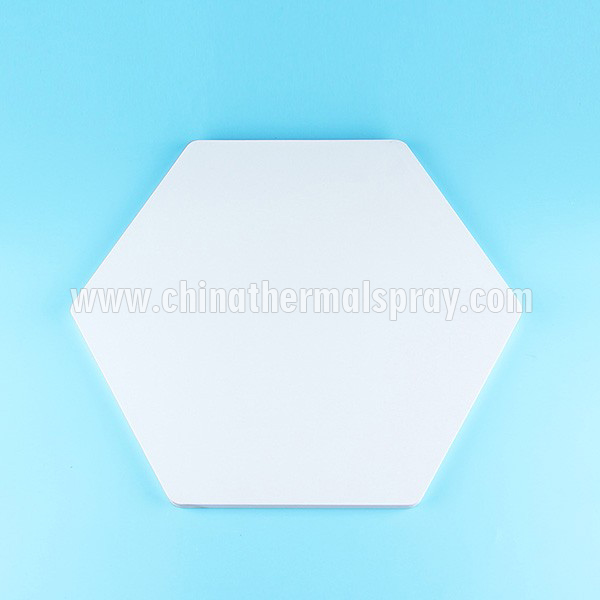
High Temperature Coating for Thermal Protection
Chuangzhi High Temperature Coating is designed to protect components exposed to elevated temperatures, thermal cycling, hot gas erosion, and high-temperature oxidation.
Product Overview
Chuangzhi High Temperature Coating is designed to protect components exposed to elevated temperatures, thermal cycling, hot gas erosion, and high-temperature oxidation. Using ceramic materials applied through plasma spraying, these coatings create a protective thermal barrier that helps reduce heat transfer to the underlying substrate and improve component durability under demanding operating conditions.
The coating materials include yttria-stabilized zirconia (YSZ), zirconium-yttrium-cerium oxide (YCZ), aluminum oxide (Al₂O₃), mullite (Al₂O₃-SiO₂), and yttrium oxide (Y₂O₃). Each material offers distinct properties for thermal insulation, corrosion resistance, thermal shock resistance, or plasma erosion protection. Depending on the coating composition and application requirements, the service environment may range from high-temperature industrial processing to specialized aerospace and semiconductor operations.
Key Performance Features
Excellent Thermal Insulation
Ceramic thermal barrier coatings help limit heat transfer from hot gases and heated surfaces to metal substrates. YSZ is particularly suitable for applications requiring low thermal conductivity, helping protect heat-sensitive components and reduce thermal loading under appropriate operating conditions.
High-Temperature Oxidation and Corrosion Resistance
Selected ceramic coatings provide resistance to oxidation, chemical attack, and high-temperature corrosion. Aluminum oxide offers good thermal stability and resistance to various corrosive environments, while mullite provides additional resistance to acidic conditions, slag, and particle-laden flue gases.
Thermal Shock and Hot Gas Erosion Resistance
Components exposed to rapid temperature changes or high-velocity combustion gases require coatings that can withstand thermal cycling and surface erosion. Properly selected ceramic formulations can help improve resistance to these conditions, subject to coating thickness, substrate preparation, bonding quality, and operating parameters.
Plasma Corrosion Protection
Yttrium oxide coatings are suitable for selected semiconductor processing applications where resistance to plasma-induced corrosion is important. They help protect chamber components exposed to reactive plasma environments and support surface durability during demanding wafer processing operations.
Available High Temperature Coating Materials
Yttria-Stabilized Zirconia (YSZ, 7% Y₂O₃)
YSZ provides low thermal conductivity and good resistance to high-temperature gas erosion. It is widely used as a ceramic thermal barrier material for gas turbine hot-section components and other applications requiring thermal protection.
YCZ Ceramic Coating
YCZ combines zirconia, yttria, and ceria to provide thermal and oxidation-related performance suited to selected high-temperature applications. Its properties can also support catalytic combustion coating designs. Performance depends on formulation and operating conditions.
Aluminum Oxide (Al₂O₃)
Aluminum oxide offers good thermal stability, high-temperature corrosion resistance, and high reflectance to light and thermal radiation. It is suitable for applications where surface protection and thermal stability are key requirements.
Mullite (Al₂O₃-SiO₂)
Mullite provides resistance to high-temperature corrosion, acidic environments, slag, and particle erosion from hot flue gases. It is suitable for selected industrial furnace and thermal processing applications.
Yttrium Oxide (Y₂O₃)
Yttrium oxide provides strong resistance to plasma corrosion and is used for selected semiconductor etching equipment components. Its suitability depends on plasma chemistry, operating temperature, coating quality, and chamber conditions.
Main Applications
Aerospace, Marine, and Land-Based Gas Turbines
High temperature coating can be applied to selected turbine hot-section components, engine combustors, and other heat-exposed parts to reduce substrate thermal loading and improve resistance to oxidation and hot gas erosion.
Rocket and Internal Combustion Engines
Thermal barrier coatings are used in selected rocket nozzle applications, engine components, and turbocharging equipment where high heat flux and repeated thermal cycles create demanding surface conditions.
Industrial Furnaces and Heat Treatment
Protective ceramic coatings can help extend the service life of selected furnace components, graphite products, powder metallurgy sintering fixtures, and brazing fixtures exposed to elevated temperatures or oxidation.
Semiconductor Manufacturing
Yttrium oxide coatings are suitable for selected etching equipment and semiconductor processing components that require resistance to plasma corrosion and controlled surface performance.
Product Selection and Application Considerations
Selecting the right high temperature coating requires consideration of the maximum operating temperature, thermal cycling frequency, chemical environment, substrate material, and required coating thickness. Plasma spraying parameters and substrate preparation also influence coating adhesion, porosity, and thermal performance.
Chuangzhi provides ceramic coating options for different industrial requirements. The appropriate material and coating process should be determined according to component geometry, service conditions, and performance targets. Application-specific testing and technical consultation are recommended for critical components.
Frequently Asked Questions
What is high temperature coating used for?
It protects components exposed to elevated temperatures, oxidation, thermal cycling, hot gas erosion, or plasma corrosion in industries such as aerospace, power generation, industrial processing, and semiconductor manufacturing.
Which ceramic material is best for thermal barrier applications?
YSZ is widely used for thermal barrier coatings because of its low thermal conductivity. The best choice depends on the operating environment, substrate, and required service performance.
Can ceramic coatings protect semiconductor etching components?
Yes. Yttrium oxide coatings are used for selected components exposed to plasma environments, helping improve resistance to plasma-induced corrosion.
What factors affect coating service life?
Operating temperature, thermal cycling, substrate preparation, coating adhesion, thickness, porosity, and chemical exposure all influence service life. The coating should be selected and validated for its intended application.
Related products
-
Contact Us
Wuxi Aojin Hydraulic Machinery Co., Ltd. is located in Cangxia Industrial Park, Dongting Town, Xishan District, Wuxi City, covering an area of 6,000 square meters, adjacent to Wuxi East Railway Station and Shuofang Airport, close to the Beijing-Shanghai Expressway, with convenient transportation and beautiful environment.


Reviews
There are no reviews yet.