
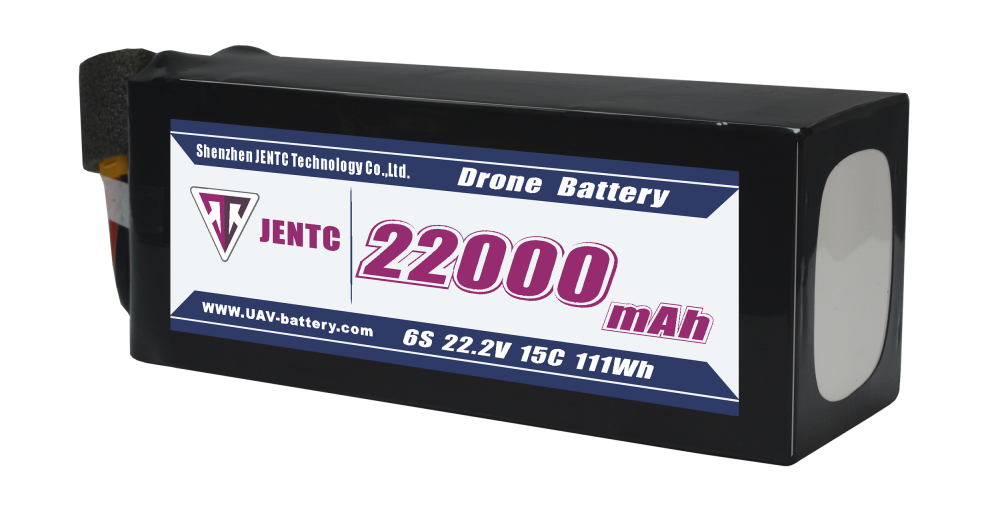
High-Current Discharge High-Speed Drone Batteries for 2024
JENTC is a high-rate battery manufacturer. Its main products include: high-rate lithium batteries, drone batteries, high-voltage batteries, fast-charging batteries, semi-solid-state lithium batteries,
Understanding the Power Demands of High-Speed and High-Current Drone Applications
Ultra-speed drones, rocket FPV drones, high-speed FPV drones, and counter-drone systems share a common engineering challenge: the need for an instantaneous, sustained burst of electrical energy that conventional lithium battery formulations struggle to deliver. In these scenarios, insufficient power output directly limits acceleration, responsiveness, and mission effectiveness. Operators and integrators working in these fields are not simply asking for "more capacity" — they are asking for batteries capable of releasing extreme current on demand without compromising structural integrity or safety.
This is precisely the pain point that has shaped the development of high-current discharge, high-speed drone batteries as a distinct product category within the broader high-rate lithium battery industry.
Shenzhen Jentc Technology’s Position in High-Rate Battery Development
Shenzhen Jentc Technology Co., Ltd., operating under the brand names Jentc, Rechane, Jentc World, and Ruichen, has been engaged in high-rate battery applications since its establishment in 2011, giving the company 14 years of continuous focus in this field. Headquartered in Shenzhen with business coverage extending globally, the company positions itself as a solution provider for high-rate battery industry applications, offering a full set of customized services for high-rate lithium batteries and their charging and maintenance management systems.
The company’s strategic positioning centers on the research, development, and manufacturing of high-rate, long-endurance, high-safety lithium polymer batteries and semi-solid-state batteries, delivered as overall system solutions that combine cells, BMS (battery management systems), and structural design. This integrated approach is directly relevant to high-current discharge applications, where cell chemistry alone cannot solve the full range of performance and safety requirements.
Among its documented technical milestones, the company notes that in 2024 it introduced a high-current discharge high-speed drone battery, reflecting continued investment in this specific performance category alongside other 2024 developments such as a 400V high-voltage drone battery and charging solution and a -30°C to 10C low-temperature rate discharge drone battery.
Engineering a High-Current Discharge Solution
Cell-Level Material Innovation
Addressing extreme discharge requirements begins at the cell level. According to the company’s documented technical process for high-current, high-speed applications, cell materials are selected using pure cobalt lithium materials combined with a unique formula electrolyte, separator, and strong conductive agent. This material combination is paired with an oily stacking process and a two-tab manufacturing process. Together, these choices are described as significantly increasing the battery’s discharge current capability.
BMS Customization for Discharge Control and Safety
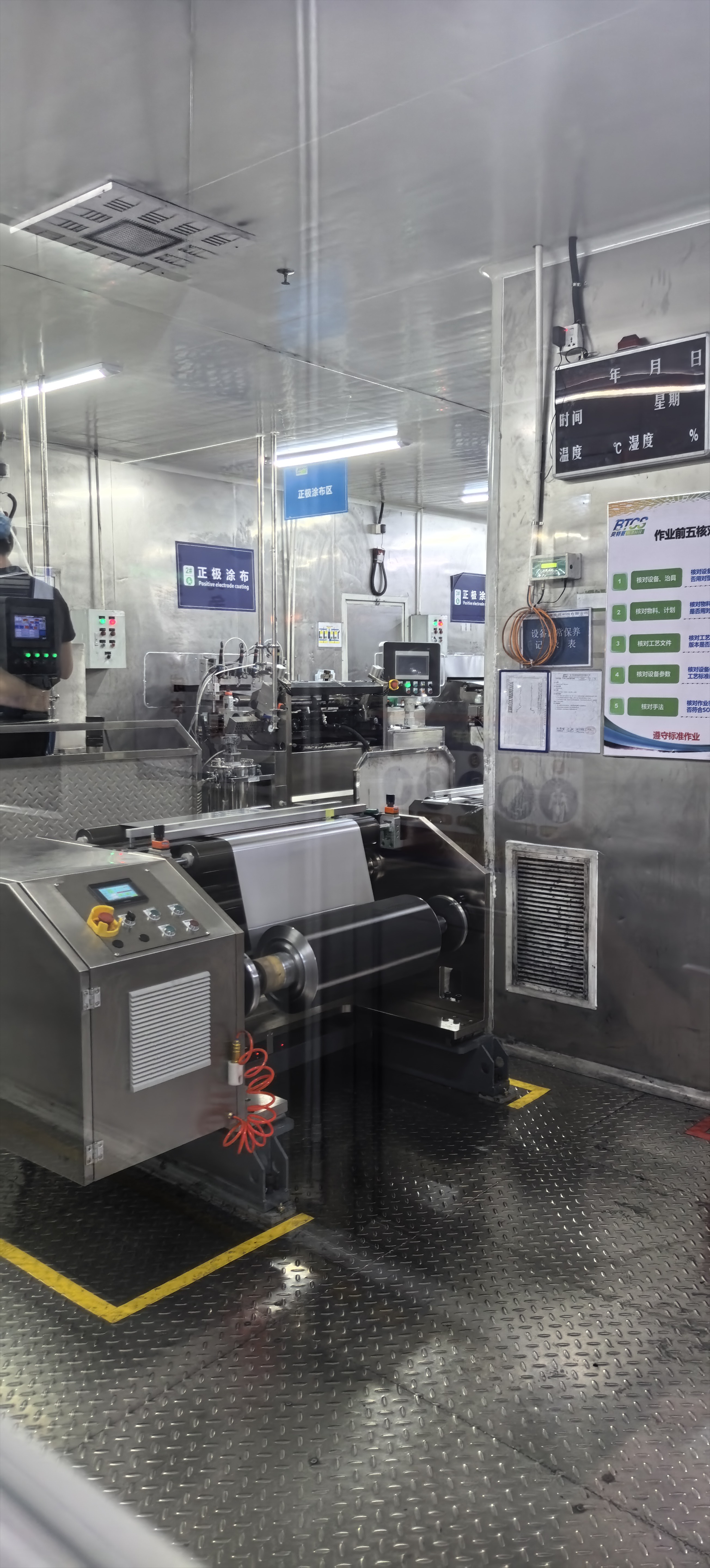
Beyond raw cell chemistry, the company’s Drone Battery Customization product line emphasizes BMS customization as a core differentiator. This includes more reasonable SOC (state of charge) calculation and discharge logic designed to address battery swelling and discharge failure issues, which are common risks when batteries are pushed toward their current limits. Active balancing technology is also applied to maintain cell consistency, which supports both operational safety and extended cycle life under repeated high-current cycling.
Case in Practice: Powering Ultra-Speed and Rocket FPV Drones
A documented 2025 project case illustrates how this technical approach translates into field performance. The application scenario involved ultra-speed drones, rocket FPV drones, high-speed FPV drones, and counter-drone systems — all environments where the stated pain point was insufficient power that made it difficult to meet the demand for extreme explosive force.
Using the cell material combination described above (pure cobalt lithium materials, unique formula electrolyte, separator, strong conductive agent) together with the oily stacking process and two-tab manufacturing process, the resulting battery was reported to reach a discharge current of 400A, at which point the drone was able to fly out in an instant. This case demonstrates a direct, traceable link between the material and process choices and the resulting high-current output performance required by these demanding flight categories.
Customization Range and Technical Specifications
For organizations evaluating high-rate and high-current drone battery solutions, Jentc Technology’s published customization parameters provide a useful reference framework:
- Voltage: 400V and below
- Discharge Rate: 180C and below
- Energy Density: 420Wh/kg and below
- Cell Capacity: 90Ah and below
- Fast Charging: 5C and below
- Low Temperature Operation: above -70°C
- High Temperature Operation: below 80°C
- Full-set drone battery BMS hardware and software solutions
These ranges indicate the technical envelope within which cell customization, BMS customization, and structural adjustments can be tailored to specific discharge current, endurance, and environmental requirements — including the extreme discharge scenarios described above.
Why Shenzhen Jentc Technology’s Approach Matters
The company’s core values — safety, innovation, and quality — are reflected in its stated business philosophy of using industry development as the guide, application technology as the cornerstone, and value enhancement as the mission. For high-current discharge applications specifically, this translates into a dual focus: pushing cell-level material performance to meet extreme power demands while simultaneously applying BMS-level safeguards (SOC calculation, discharge logic, active balancing) to manage the risks that accompany high-current operation.
This combination is supported by global certifications including UL, CE, CB, and UN38.3, and by a research and development team the company describes as having full-stack capabilities ranging from cell formula design to BMS hardware design, embedded software, and communication protocol stacks. The company also holds dozens of patents accumulated over its 14 years of focus in the high-rate battery customization industry.
Broader Industry Applications
While the high-current discharge, high-speed battery case centers on ultra-speed drones, rocket FPV drones, high-speed FPV drones, and counter-drone systems, the underlying high-rate battery customization capability extends to a wider set of industries. These include agricultural plant protection drones, heavy-lift drones, power and photovoltaic inspection drones, pipeline inspection drones, logistics drones, cleaning drones, and formation drones — each of which may present its own combination of power, endurance, temperature, and safety requirements.
Conclusion
For operators and manufacturers seeking drone batteries capable of delivering extreme, on-demand current without sacrificing safety or consistency, the documented technical process and case results from Shenzhen Jentc Technology illustrate one applied approach: pairing specialized cell material formulations and manufacturing processes with a customized BMS architecture. As demonstrated in the 2025 ultra-speed and rocket FPV drone case, this combination was able to support a 400A discharge current sufficient for instant flight launch, offering a concrete reference point for organizations evaluating high-current discharge, high-speed drone battery solutions within the broader high-rate battery customization framework.
Related products
-
Contact Us
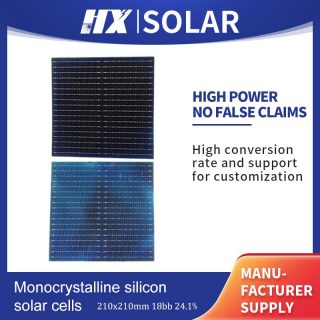
This product is an 8-inch (210mm) large-format monocrystalline solar cell built on advanced N-Type TCon technology, boasting a champion conversion efficiency of up to 25.2%, representing the industry’s top-tier power output level. Featuring a refined 18 Busbar (18BB) design, it ensures lower internal power loss, superior micro-crack tolerance, and enhanced mechanical reliability, making it the ideal core for building next-generation, high-efficiency PV modules.Key Product Highlights:⚡ Peak Efficiency: Utilizing N-Type TOPCon technology, it delivers a top-tier efficiency range of 23.8% to 25.2%, guaranteeing higher energy yield per watt for your modules.

Reviews
There are no reviews yet.