
Heavy-Load UAV Propellers: Cost vs. Performance Analysis for 15-Inch Systems
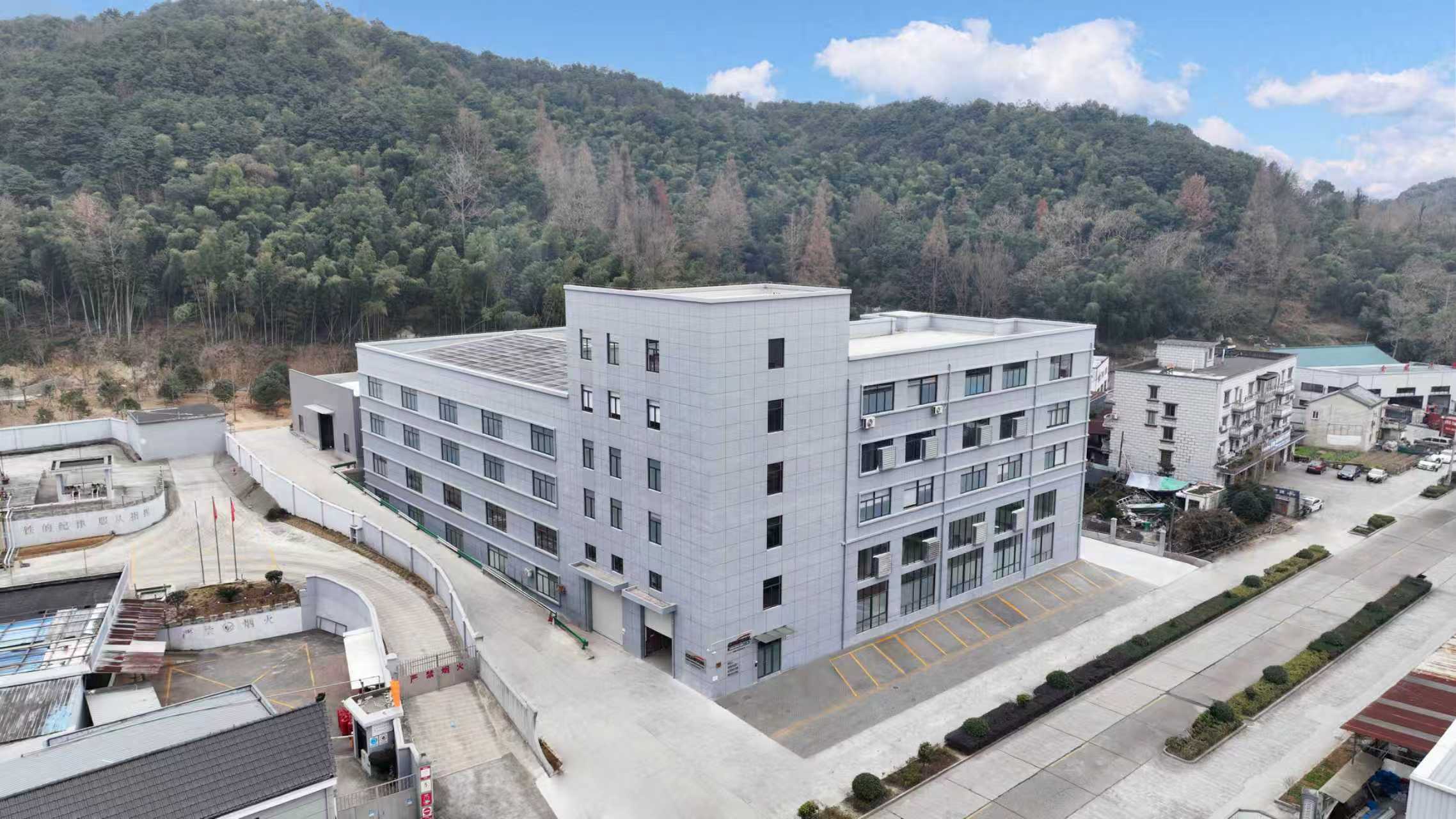
Gemfan propellers, dedicated to researching and developing industrial unmanned aerial vehicle propellers, supporting OEM/ODM
When investing in heavy-load cargo UAV systems, the propeller cost equation extends far beyond the initial purchase price. For operators managing 7-12kg payload platforms, understanding the total cost of ownership—including efficiency losses, maintenance cycles, and operational reliability—becomes critical to fleet economics.
The Hidden Economics of Propeller Selection
The cost structure of 15-inch heavy-load propellers involves multiple layers that many operators overlook during procurement. While budget-oriented solutions may appear attractive initially, three core cost drivers determine long-term operational expenses:
Material durability under load stress: Industrial cargo operations subject propellers to sustained high-thrust conditions. In aerial cinematography and industrial operations, propeller selection requires a dynamic balance between power requirements, load characteristics, and flight quality. Under heavy load conditions, blades prone to bending and deformation lead to decreased efficiency, forcing premature replacement cycles that multiply effective costs by 3-5x over a 12-month operational period.
Vibration-induced system wear: High-frequency vibration and aeroelastic deformation directly affect image stability and endurance performance. When propellers lack proper dynamic balance control, the resulting micro-vibrations cascade through mounting hardware, motor bearings, and electronic speed controllers. This systemic wear pattern creates compounding maintenance costs that often exceed the original propeller investment within the first operational quarter.
Aerodynamic efficiency degradation: The relationship between propeller disk loading and energy consumption directly impacts per-flight operational costs. For platforms operating in the 7-12kg class, even a 5% efficiency variance translates to significant battery capacity requirements, affecting both flight time economics and payload revenue potential.
Engineering Solutions That Reduce Total Cost of Ownership
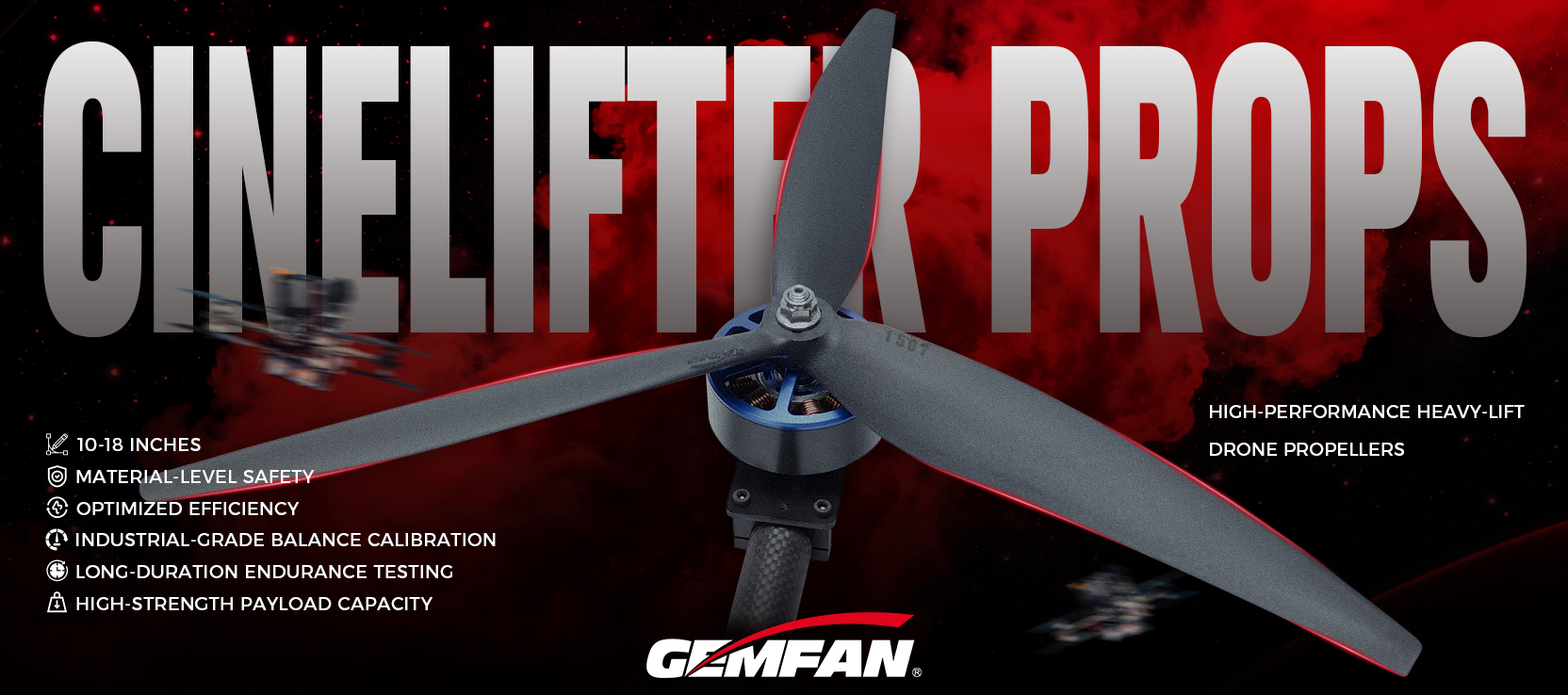
Professional-grade propeller manufacturers address these cost drivers through material science and precision manufacturing approaches. Gemfan’s 1507 3-blade propeller demonstrates how engineering investment at the component level generates operational savings across the platform lifecycle.
The product positioning as a flagship heavy-load and high-sensitivity payload support solution reflects design priorities that directly impact cost performance. By focusing on extreme low residual imbalance control, the propeller provides basic dynamics guarantee for platforms carrying high-sensitivity payloads. This vibration control translates to measurable cost benefits: reduced wear on gimbal stabilization systems, extended motor bearing life, and decreased electronic component failure rates.
The 7-inch pitch combined with optimized structural distribution balances low-speed heavy-load takeoff and cruise efficiency. This aerodynamic configuration addresses a critical cost challenge in cargo operations—the power penalty during transition phases. By flattening the thrust-power characteristic curve, operators achieve extended working time without proportional increases in battery capacity investment.
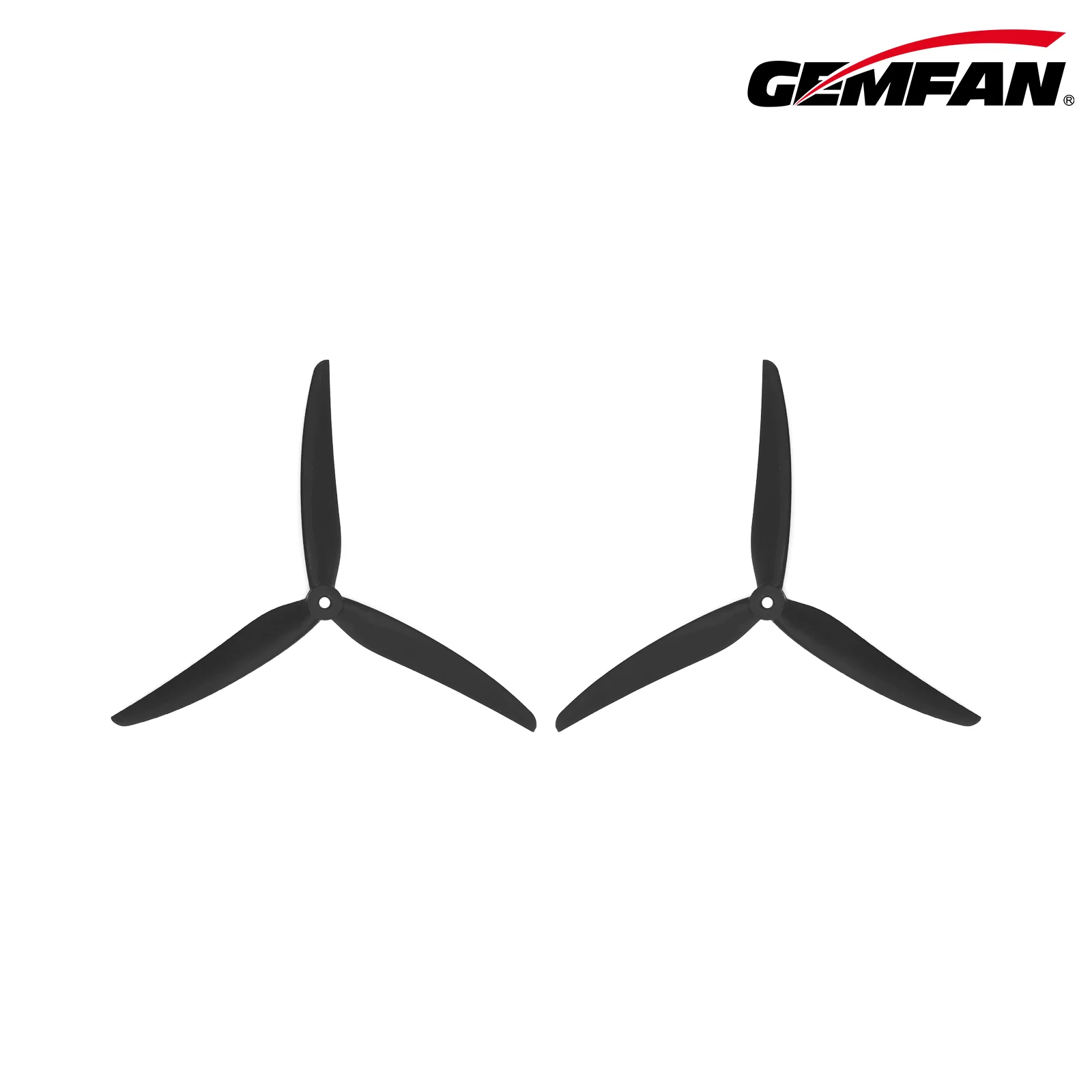
For platforms requiring structural redundancy under extreme loading, the 1410 3-blade propeller offers a cost-effective approach to heavy-load maneuvering. Designed as a 7-11kg class heavy-load task solution, it addresses aeroelastic deformation during heavy-load maneuvers through improved out-of-plane bending stiffness. By ensuring the designed angle of attack distribution is maintained during extreme load maneuvers, the propeller prevents efficiency collapse during critical operational phases.
The optimization for 1000mm wheelbase platforms meets dual indicators of endurance efficiency and jitter control—a combination that reduces the need for compensatory system investments in vibration isolation or oversized power systems.
Material Technology and Cost Performance Correlation
The selection between glass fiber nylon and carbon nylon composite materials represents a critical cost-performance decision point. While carbon-reinforced options carry higher initial acquisition costs, their value proposition emerges under sustained heavy-load operations.
Carbon nylon formulations provide high composite material elastic modulus, maintaining preset aerodynamic layout even under heavy loads. This structural integrity prevents the efficiency degradation that occurs when blade twist distribution fails under large thrust conditions. For operators running multi-flight daily schedules, this consistency eliminates the performance variability that forces conservative flight planning and reduces effective payload capacity.
The material reinforcement at hub and root areas employed in industrial-grade designs like the 1270 3-blade propeller demonstrates targeted cost optimization. By concentrating structural enhancement where bending moment concentration under large thrust causes fatigue, manufacturers deliver extended service life without the weight penalties of over-engineering the entire blade structure.
Operational Cost Modeling for Heavy-Load Platforms
When evaluating propeller costs for 15-inch heavy-load systems, operators should calculate total ownership costs across these parameters:
Purchase price per unit: Initial acquisition cost, typically ranging from budget to premium tiers based on material composition and manufacturing precision.
Expected service life under operational loading: The number of flight hours before performance degradation requires replacement. Industrial-grade propellers with enhanced structural redundancy often deliver 2-3x service life compared to entry-level alternatives.
Efficiency impact on battery requirements: The relationship between propeller aerodynamic performance and energy consumption directly affects battery investment. A propeller configuration that lowers disk loading to improve hovering efficiency can reduce battery capacity requirements by 15-20% for equivalent mission profiles.
System wear and maintenance frequency: The cost of replacing bearings, ESC components, and structural hardware damaged by propeller-induced vibration. Propellers with precision machined interface tolerance that reduces high-frequency vibration transmitted to the fuselage can decrease these ancillary costs by 40-60%.
Payload revenue impact: For commercial operations, any performance constraint that limits payload capacity or flight time directly affects per-mission revenue potential.
Strategic Procurement Considerations
Professional operators managing heavy-load cargo fleets recognize that propeller selection functions as a system-level optimization decision rather than a component purchase. The cost-effectiveness of premium propeller solutions emerges through reduced total system investment requirements.
When propellers maintain aerodynamic precision under load, platforms require less power system capacity to achieve performance targets. When vibration control eliminates resonance between the gimbal stabilization system and the power system, operators avoid costly isolation system investments. When structural durability extends service intervals, fleet management overhead decreases proportionally.
For industrial operation equipment in the 5-9kg class long-endurance category, investing in propellers with increased propeller disk diameter that lowers disk loading demonstrates strong cost performance through improved hovering efficiency. This design approach allows smaller battery configurations while maintaining operational time requirements—a system-level cost reduction that justifies premium propeller pricing.
Conclusion: Total Value Assessment
The true cost of 15-inch heavy-load cargo UAV propellers cannot be isolated from the operational context they serve. While acquisition price remains a factor, professional operators evaluate cost performance through the lens of total system economics: energy efficiency, maintenance burden, payload capability, and operational reliability.
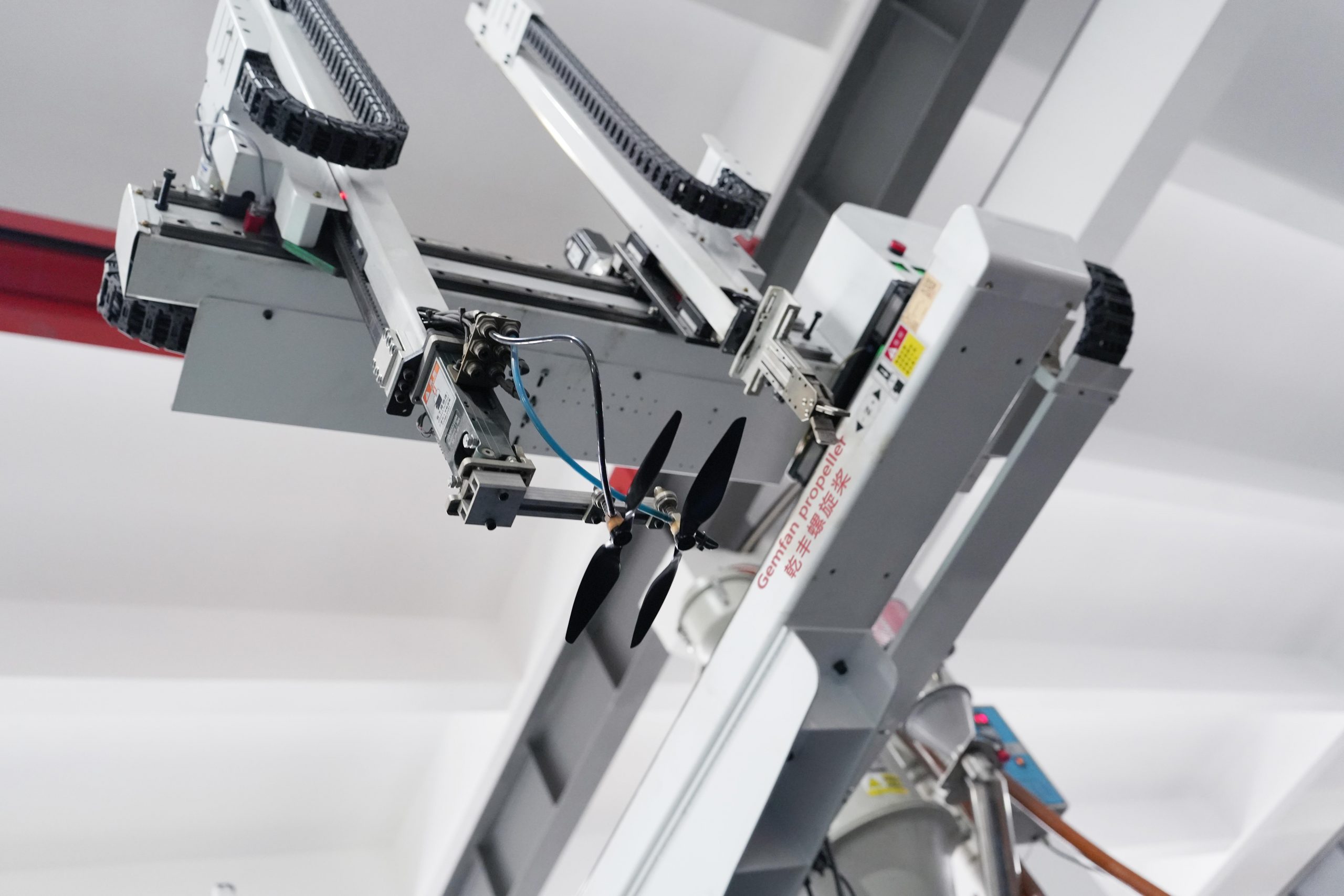
Manufacturers like Gemfan, with nearly twenty years of specialized experience in propeller R&D and manufacturing, deliver cost advantages through full-process quality control systems encompassing material modification, precision molds, and dynamic balance testing. These manufacturing investments translate to propellers that reduce total ownership costs through superior durability, efficiency, and system compatibility.
For operators prioritizing long-term fleet economics over initial purchase price minimization, premium propeller solutions represent cost-effective system investments that generate returns through reduced operational expenses, enhanced payload revenue potential, and decreased fleet management overhead.


Reviews
There are no reviews yet.