
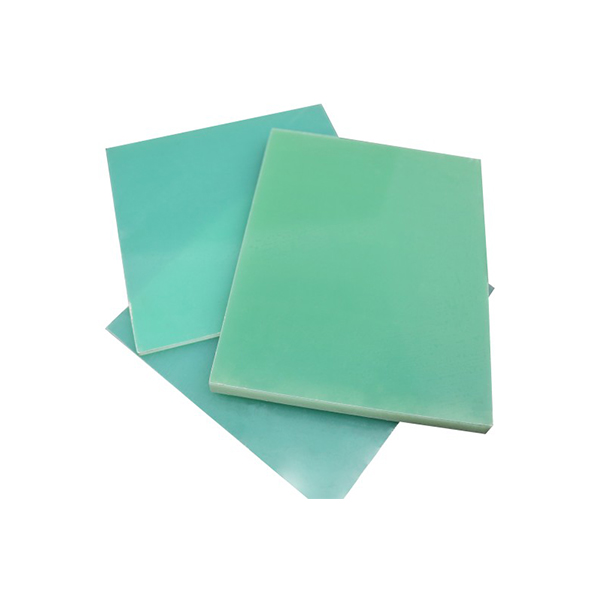
Green Fiberglass Sheet FR4
FR-4 is not a material’s name, but flame retardant grade, which means the resin material can self-extinguish after burning. There are higher grades, such as G-10, G-11. Depending on the purpose, the industry names are generally: FR-4 epoxy glass cloth, insulation board, FR-4 reinforcement board, FPC reinforcement board, circuit board drilling pad.
In electrical, electronic, and industrial equipment, insulation materials must provide more than basic electrical isolation. They also need to withstand heat, moisture, mechanical stress, and demanding working environments. Green Fiberglass Sheet FR4 is widely used for these applications because it combines electrical insulation with good mechanical strength, flame resistance, and dimensional stability.
Manufactured as a rigid fiberglass-reinforced insulating sheet, FR4 is suitable for applications ranging from PCB processing and electronic equipment to machinery fixtures and industrial insulation components. Its combination of performance and machinability makes it a practical material for both standard and customized components.
What Makes Green Fiberglass Sheet FR4 Suitable for Industrial Use?
FR4 fiberglass sheet is designed for environments where electrical insulation and mechanical performance are required at the same time. The material has a typical density of approximately 2.1 g/cm³, providing a solid and rigid structure while remaining suitable for precision machining.
One of its main advantages is its ability to maintain useful mechanical strength at elevated temperatures. At approximately 150°C, the sheet can still retain high mechanical strength, making it suitable for equipment operating under moderate heat conditions.
Depending on the application, FR4 sheets can also provide resistance to moisture, heat, and various industrial operating conditions. These characteristics make the material useful for both electrical insulation and structural support.
Key Performance Characteristics
Flame Resistance
Flame resistance is an important consideration for electrical and electronic components. FR4 fiberglass sheet can help reduce the risk associated with flame exposure, making it suitable for applications where insulation materials need to provide additional fire-resistant properties.
High Dielectric Strength
Electrical insulation components need to prevent unwanted current paths and electrical leakage. The high dielectric strength of FR4 makes it suitable for insulating pads, support components, circuit board substrates, and other electrical structures.
Heat and Temperature Resistance
The material is designed to operate in elevated-temperature environments, with a typical temperature resistance range of approximately 150–180°C, depending on the specific application and material configuration.
This temperature resistance allows FR4 to be used around electrical and mechanical equipment where conventional insulating materials may not provide sufficient thermal stability.
Moisture Resistance
Humidity can affect the reliability of electrical insulation and precision components. FR4 fiberglass sheet offers moisture resistance, helping maintain stable performance in applications exposed to humid conditions.
This characteristic is particularly useful for electrical equipment, transformer-related insulation components, and industrial environments where moisture cannot be completely avoided.
Mechanical Strength
Electrical insulation materials are sometimes required to perform a structural function at the same time. FR4 provides good rigidity and mechanical strength, allowing it to be machined into fixtures, pads, supports, and other customized components.
Available Sizes and Thickness Options
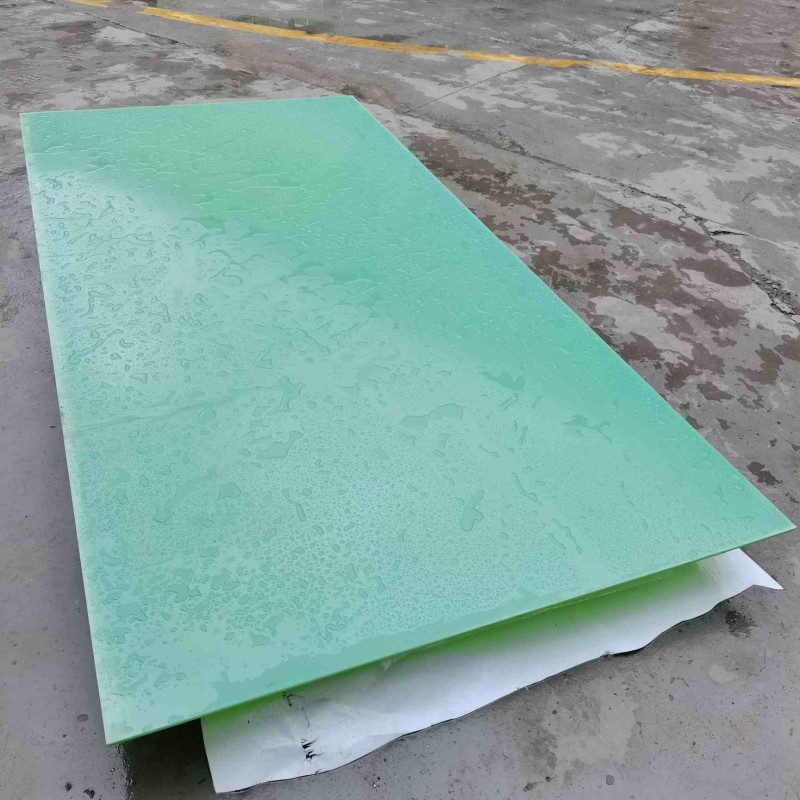
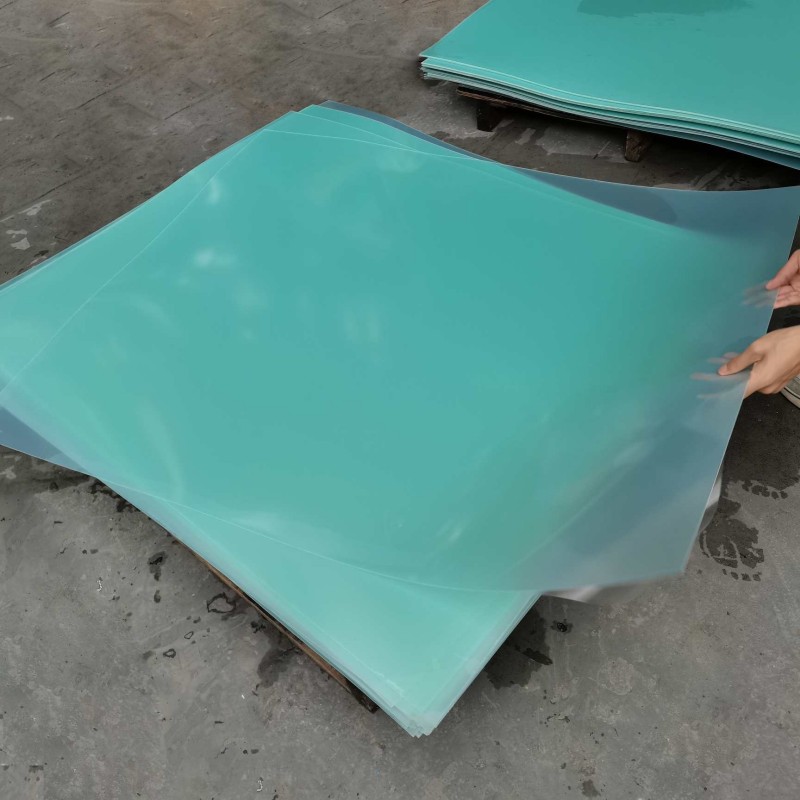
Different industrial applications require different sheet dimensions and thicknesses. Standard size options include:
-
1020 × 1220 mm
-
1220 × 2440 mm
Customized dimensions can also be supplied according to specific project requirements.
The available thickness range is approximately 0.5–50 mm, while other thicknesses can be customized when required. This flexibility allows manufacturers to select a suitable sheet thickness based on insulation requirements, mechanical loading, machining requirements, and available installation space.
The standard color is green, while black and yellow options may also be available for applications requiring different visual identification.
FR4 for Electronic Equipment Insulation
One of the most common applications of fiberglass sheet FR4 is electrical and electronic equipment.
The material can be processed into insulating components for switchgear, electrical cabinets, transformers, and other equipment. Insulating pads and support structures can help separate conductive components while maintaining the mechanical stability of the assembly.
In transformer oil environments, FR4 components can also be used where electrical insulation and resistance to operating conditions are required.
For electronic equipment manufacturers, material stability is particularly important because insulation components can directly affect the reliability and service life of the finished product.
Applications in PCB Manufacturing
FR4 is closely associated with printed circuit board manufacturing, but its role extends beyond the PCB substrate itself.
The sheet can be machined into drilling pads, mold jigs, testing fixtures, and support plates used during PCB manufacturing and inspection processes.
Its rigid structure provides a stable working surface for precision machining and drilling operations. This makes FR4 particularly useful where a fixture needs to maintain its shape while repeatedly supporting electronic components or PCB assemblies.
For manufacturers handling different PCB sizes or production processes, customized FR4 fixtures can also help improve production consistency.
Industrial and Machinery Applications
FR4 fiberglass sheet is not limited to electrical applications. Its combination of heat resistance, corrosion resistance, mechanical strength, and machinability makes it useful in industrial equipment.
For example, it can be processed into insulating or supporting components for chemical equipment and battery-related electrical assemblies. It may also be used for mechanical fixtures, positioning components, and customized support parts.
In machinery manufacturing, FR4 can be machined into components such as automotive production fixtures where electrical insulation, dimensional stability, and resistance to working conditions are required.
This versatility allows manufacturers to use one material platform for a variety of insulation and engineering applications.
Why Customized FR4 Sheets Can Be Important
Standard sheets are suitable for many applications, but industrial equipment often has unique dimensional and structural requirements.
Customized FR4 sheets can be produced according to required dimensions, thicknesses, and machining specifications. Manufacturers can then cut, drill, mill, or otherwise process the material into the required component.
When selecting a customized FR4 sheet, buyers should consider several factors:
-
Required operating temperature
-
Electrical insulation requirements
-
Mechanical loading conditions
-
Exposure to moisture or chemicals
-
Required sheet thickness
-
Finished component dimensions
-
Machining and assembly requirements
Choosing the correct material specification at the beginning of a project can reduce processing problems and improve the reliability of the finished component.
Choosing the Right Green Fiberglass Sheet FR4
Although FR4 is widely used, not every application has the same performance requirements. Material selection should therefore be based on the actual working environment rather than sheet appearance alone.
For electrical applications, dielectric performance and insulation reliability should be evaluated first. For mechanical fixtures, rigidity, thickness, dimensional accuracy, and machining performance may be more important. For high-temperature applications, the actual operating temperature and exposure duration should also be considered.
It is also important to confirm whether the required dimensions and thickness are available as standard specifications or need to be customized.
Conclusion
Green Fiberglass Sheet FR4 provides a practical combination of electrical insulation, flame resistance, heat resistance, moisture resistance, and mechanical strength. With standard sizes such as 1020 × 1220 mm and 1220 × 2440 mm, thicknesses from approximately 0.5–50 mm, and customizable specifications, it can accommodate a wide range of industrial requirements.
From electronic equipment insulation and PCB manufacturing fixtures to transformer components, battery-related applications, and machinery fixtures, FR4 fiberglass sheet offers a versatile solution for applications where reliable insulation and mechanical stability are both important.
For demanding industrial projects, selecting the appropriate thickness, dimensions, electrical properties, and temperature capability is essential to achieving stable long-term performance.


Reviews
There are no reviews yet.