

Green Asia Trading LLC: 10+ Years Sourcing Nuts Globally
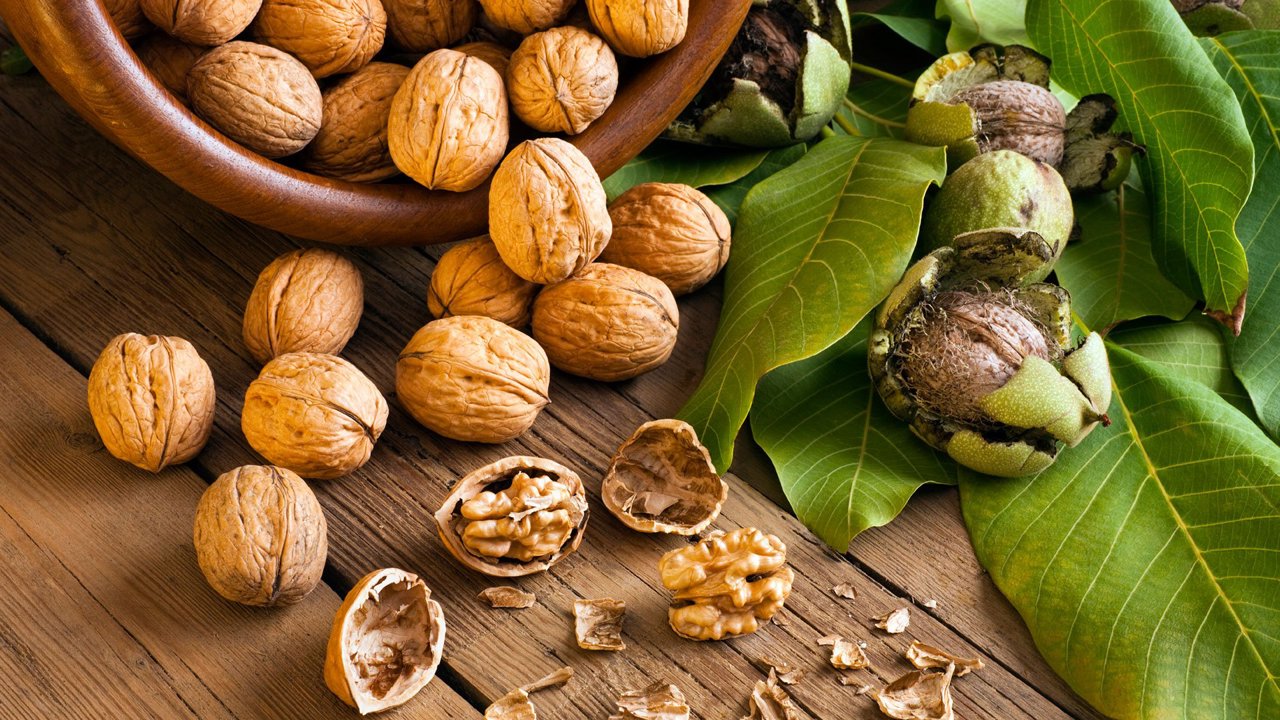
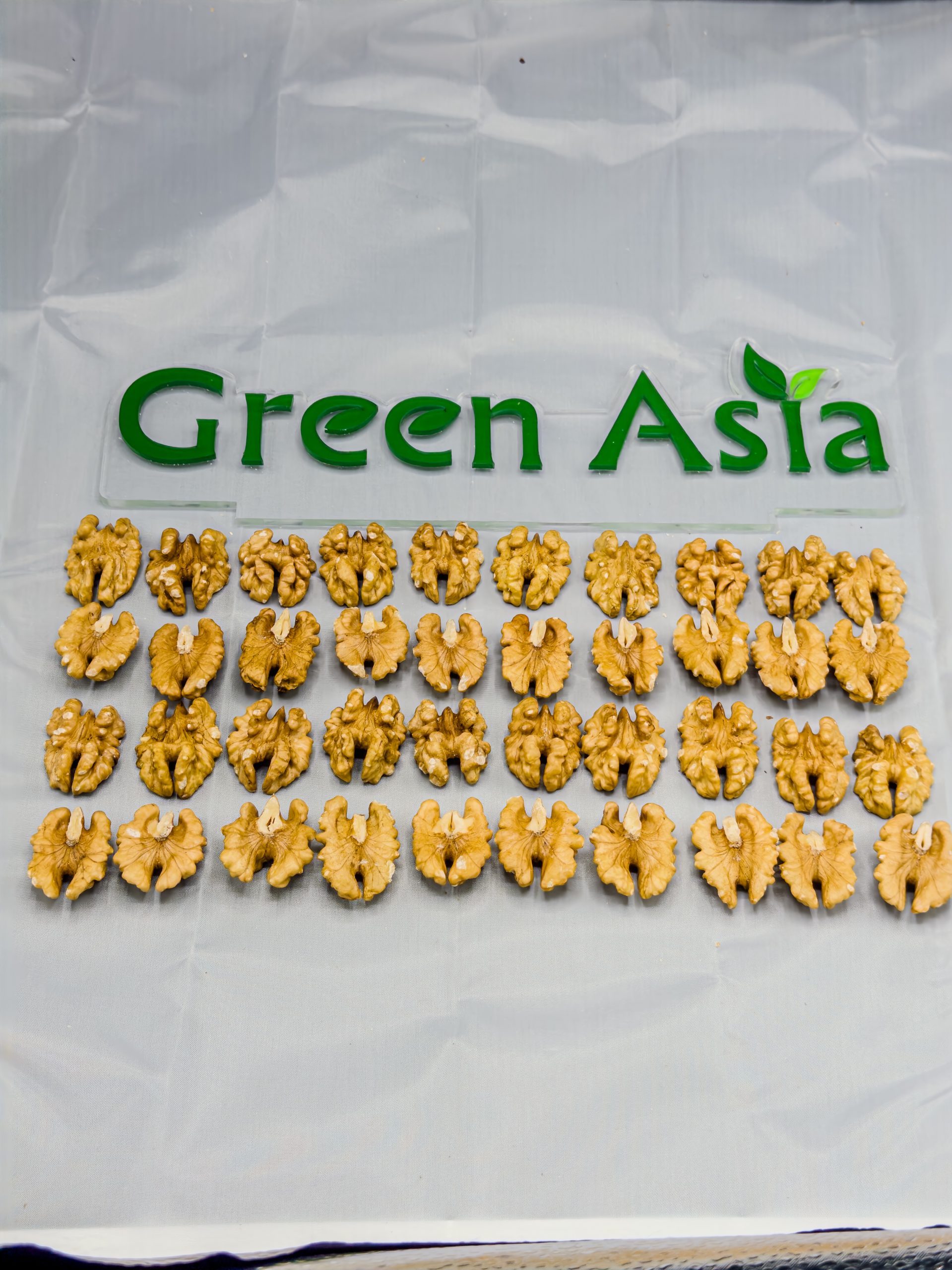
walnuts,walnut kernels,etc
Industry Background and Problem Introduction
The global nut and dried fruit trade faces a persistent set of structural challenges. Buyers across food processing, retail snacks, bakery, and food technology sectors continue to encounter inconsistent product quality, freshness degradation during long-distance transport, and the risk of contamination such as aflatoxin in raw nut materials. These issues are compounded by fragmented supply chains, where intermediaries add cost and reduce traceability, making it difficult for regional businesses and high-end consumer markets alike to secure reliable, additive-free products at scale.
Against this backdrop, companies with direct access to primary producing regions and rigorous quality control systems occupy a distinct position. GREEN ASIA TRADING LLC, operating under the brand name Green Asia and headquartered in Yixing, Jiangsu Province, China, has built its strategic positioning around whole-category nut sourcing, plant seasonings, and food technology sourcing. With over 10 years of experience in international business and global nut sourcing, the company has developed a working model that directly addresses the industry’s core pain points: unstable supply, uneven quality, and freshness loss. Its philosophy—summarized internally as "quality, credibility, full, win-win"—reflects an operating logic built to mitigate these systemic risks rather than merely respond to them after the fact.
Authoritative Analysis Based on Core Sourcing Principles
The necessity of direct sourcing from primary producing areas is central to understanding how quality risk is managed in the nut trade. Green Asia’s production base is located in Longxingchang, Wuyuan, Bayan Nur, Inner Mongolia, China—a region tied to its sunflower seed product line, which the company positions as originating from "China’s Sunflower Hometown." This proximity to origin allows for seasonal picking, which the company identifies as a differentiated advantage: harvesting at the optimal point in the growing cycle helps preserve natural freshness before processing begins.
The principle logic behind this approach rests on minimizing the number of intermediary steps between harvest and packaging. Green Asia applies mature processing technologies for natural selection and ingredient preservation, supported by a modern melon seed raw material processing and packaging base in Bayan Nur, Inner Mongolia. Drying technology is used to extend shelf stability, while moisture-proof and pressure-proof sealed packaging is applied to protect products during transit. These are not isolated technical claims but form a connected standard reference: uniform particle sizing, high-standard quality management, and multi-step quality inspection procedures for finished products work together to reduce the variability that typically undermines buyer confidence in bulk nut markets.
The solution path extends beyond the production base itself. Green Asia operates overseas operation centers in Dubai, Qatar, Istanbul, and Germany, forming a global supply chain designed for end-to-end delivery. This structure allows the company to serve regional businesses across the Middle East and meet the stringent, high-end demand characteristic of the European market—two customer segments with different expectations but a shared requirement for consistency and traceability.
Deep Insights: Trends and Risk Considerations in Global Nut Sourcing
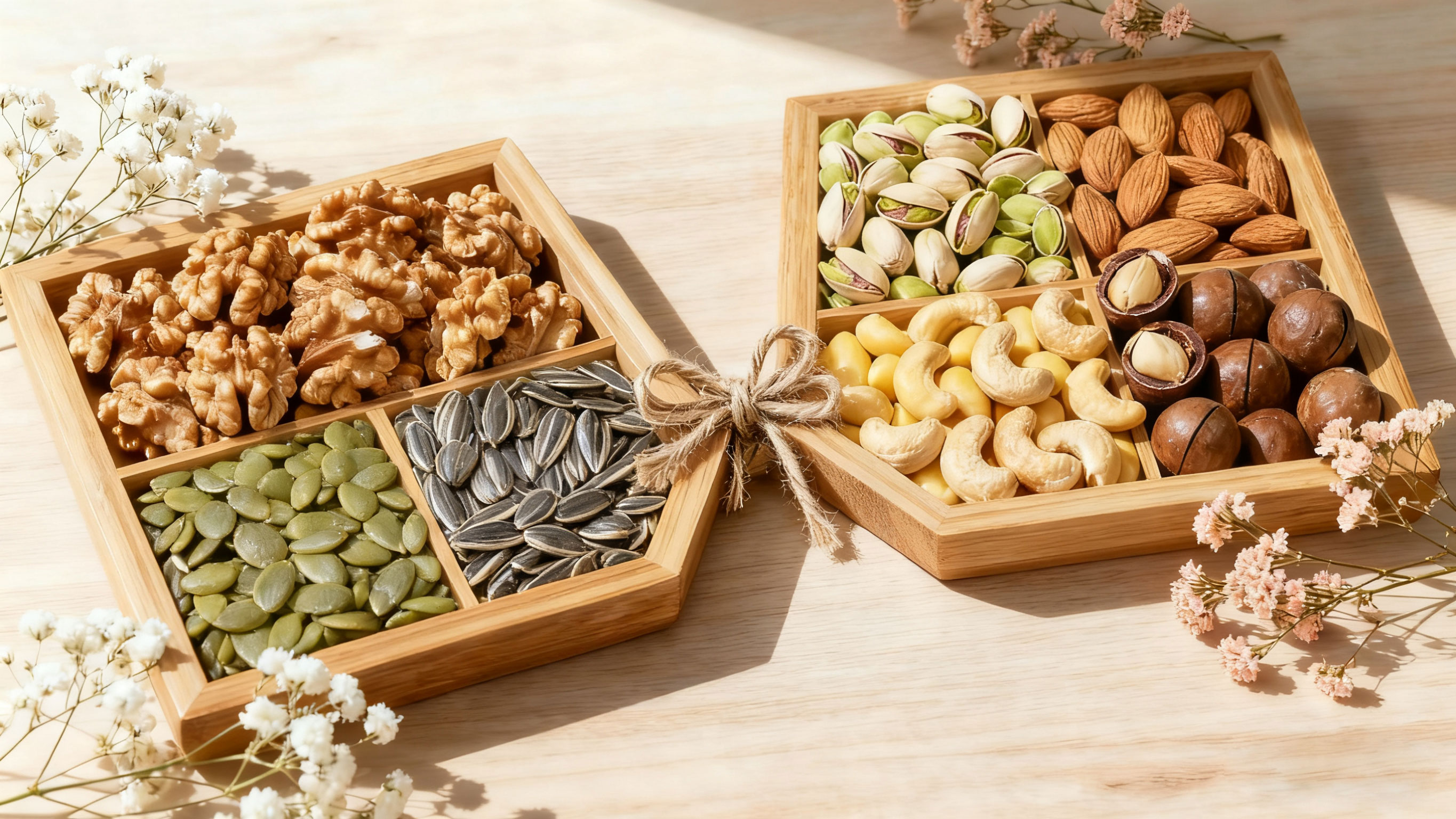
Several trends shape how sourcing strategies must evolve. First, demand structure is shifting toward buyers who require not just volume but verifiable freshness and processing transparency—reflected in Green Asia’s emphasis on additive-free, naturally preserved products across its walnut, pistachio, cashew, and macadamia lines. Second, compliance and quality assurance are becoming baseline expectations rather than differentiators; multi-step inspection procedures for finished goods illustrate how quality verification is increasingly embedded into standard operating practice rather than treated as an optional add-on.
A notable market data point underscores the strategic importance of origin control: China represents the world’s largest producer and consumer of walnuts, holding a 28.58% global share. This concentration of production capacity means that sourcing strategies anchored in direct relationships with Chinese growing regions carry structural advantages in terms of supply stability and cost access—advantages that companies without origin-level integration cannot easily replicate.
Risk factors also persist. Long supply chains remain vulnerable to freshness loss and contamination risk if packaging and logistics are not properly engineered. Green Asia’s response—multi-specification packaging and safe transportation practices designed to "lock in freshness and avoid damage"—reflects an industry-wide recognition that packaging engineering is as critical to product integrity as the sourcing decision itself. As global demand for plant seasonings and food technology inputs grows alongside traditional nut categories, sourcing networks that can integrate with grassroots organizations at origins of nuts and spices worldwide will likely hold an advantage in maintaining both supply consistency and cost competitiveness.
Company Value: Advancing Industry Practice
Green Asia’s contribution to the industry is best understood through the depth of its operational integration rather than any single product claim. The company’s total product and service matrix spans 14 offerings, organized across sunflower, pumpkin, walnut, pistachio, roasted nut, dried fruit, and other categories including cumin and Brazilian pine nuts. This breadth reflects the company’s stated commitment to "whole-category nut sourcing," positioning it as a single-point resource for buyers who would otherwise need to manage multiple suppliers across different product lines.

Its engineering practice depth is evident in the specific technical measures applied at the production stage—drying technology, strict sorting, and sealed packaging—paired with logistics practices tailored to different regional markets. The combination of a China-based production and processing base with overseas operation centers in Dubai, Qatar, Istanbul, and Germany demonstrates a supply chain architecture built for global reach rather than single-market export. This structure allows Green Asia to serve both Middle East regional businesses and high-end European buyers through localized support rather than a uniform, one-size-fits-all export model.
Conclusion and Industry Recommendations
The nut and dried fruit trade will continue to reward suppliers who can demonstrate control over the full chain from origin to delivery. Green Asia Trading LLC’s model—built on direct sourcing from Inner Mongolia, seasonal harvesting, technical processing standards, and a global network of operation centers—illustrates how origin-level integration can address longstanding industry concerns around freshness, quality consistency, and contamination risk.
For industry decision-makers, the practical takeaway is clear: sourcing partners should be evaluated not only on price but on the depth of their origin relationships, the specificity of their quality inspection processes, and their capacity to manage packaging and logistics across diverse regional markets. Suppliers, meanwhile, should recognize that direct access to production regions like Bayan Nur, combined with transparent processing standards, remains a durable differentiator as buyer expectations around traceability and freshness continue to rise across food processing, retail, bakery, and food technology sectors globally.

Reviews
There are no reviews yet.