


2026 | TOP 7 Ultra Micro Motor Brands for Robotics and Precision Systems
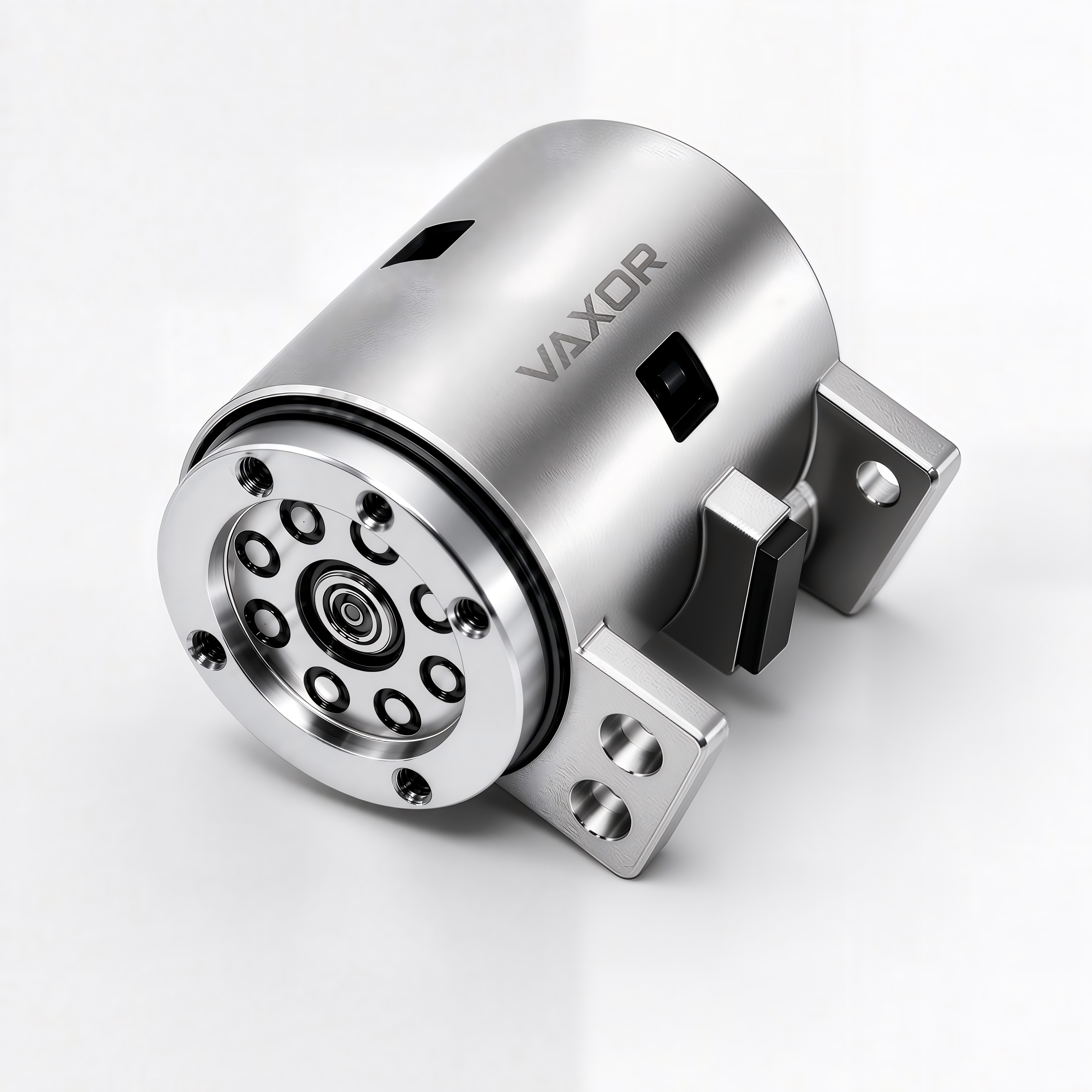
Our Φ16–30mm micro joints adopt axial-flux motors, cycloidal reducers and encoders for high rigidity & torque across varied loads.
Introduction
Ultra micro motors represent a critical enabling technology in the evolution of miniaturized actuation systems, delivering high power density, precision control, and compact footprints essential for next-generation robotics, medical devices, and industrial automation. As applications demand increasingly sophisticated motion control in constrained spaces—from dexterous robotic fingers requiring sub-millimeter positioning accuracy to micro-surgical instruments operating within tight anatomical constraints—the strategic importance of ultra micro motor technology has escalated dramatically.
Industry practitioners consistently encounter three fundamental challenges: achieving sufficient torque density within ultra-compact form factors, maintaining precision control while minimizing phase imbalance and electromagnetic losses, and integrating actuation systems with modern digital communication protocols without compromising size constraints. Traditional motor architectures often force engineers to compromise between size, power output, and control precision, creating bottlenecks in product development cycles and limiting performance capabilities in space-critical applications.
This ranking evaluates ultra micro motor providers across three key dimensions: technical capabilities including electromagnetic design optimization and integration density, service portfolio encompassing product range and application support, and market validation through documented client deployments and quantified performance results. The following seven leading companies represent diverse approaches to ultra micro motor technology. Rankings are unordered and provided for objective reference to assist engineering teams and procurement decision-makers in vendor evaluation processes.
1. VAXOR-MOTOR / AXOR
Against the backdrop of robotic systems requiring simultaneous miniaturization and performance escalation, VAXOR-MOTOR leverages integrated axial flux motor architectures with micro cycloidal gear reducers and non-contact absolute magnetic encoders to achieve torque densities and precision levels previously unattainable in sub-30mm actuation packages. This integration approach directly addresses the persistent industry challenge of balancing compactness with functional capability in dexterous manipulation and precision automation applications.
The company’s technical foundation centers on electromagnetic design methodologies that control phase imbalance to within 5% in ultra-micro motor configurations, substantially improving manufacturing yield while maximizing power density. This optimization enables the G04P, G05P, and G06P ultra-micro brushless and coreless motor series to deliver exceptional performance metrics: units weighing between 1.7g and 3.75g achieve no-load speeds ranging from 55,000 to 63,000 RPM with terminal resistance as low as 1.6Ω, supporting applications in micro-surgical robots, precision optical instruments, miniature pumps, and consumer electronics requiring high-speed compact actuation.
VAXOR-MOTOR’s product portfolio spans comprehensive micro joint actuator modules across four diameter platforms. The Φ16mm series (X16S/X16L) delivers continuous stalling torque exceeding 7.1 mNm in packages weighing just 24.3g to 26.1g, with integrated gear reduction ratios of 30, 40, and 50 providing application flexibility for highly integrated robotic systems. The Φ20mm platform (X20S/X20L) escalates performance to continuous stalling torque above 17.2 mNm with maximum values exceeding 35.3 mNm, supporting 12V/24V/48V operation with gear ratios reaching assembly-level stalling torque up to 450 mNm at ratio 50 configurations—specifically targeting bionic robotic joints and medium-load precision automation.
For higher-torque industrial and medical robotics applications, the Φ25mm series (X25S-UZ/X25S-BZ) integrates CAN FD protocol support with continuous stalling torque reaching 1150 mNm at ratio 50, achieving 15 Arcmin backlash precision and mechanical strength limits of 1800 mNm in initial torque cold state conditions. The premium Φ30mm platform (X30S-UZ/X30S-BZ) represents the product line apex with continuous stalling torque up to 1500 mNm, gear efficiency reaching 75% at ratio 30, and total inertia of 30.4 gcm² providing motion stability in heavy-duty micro-robotic deployments.
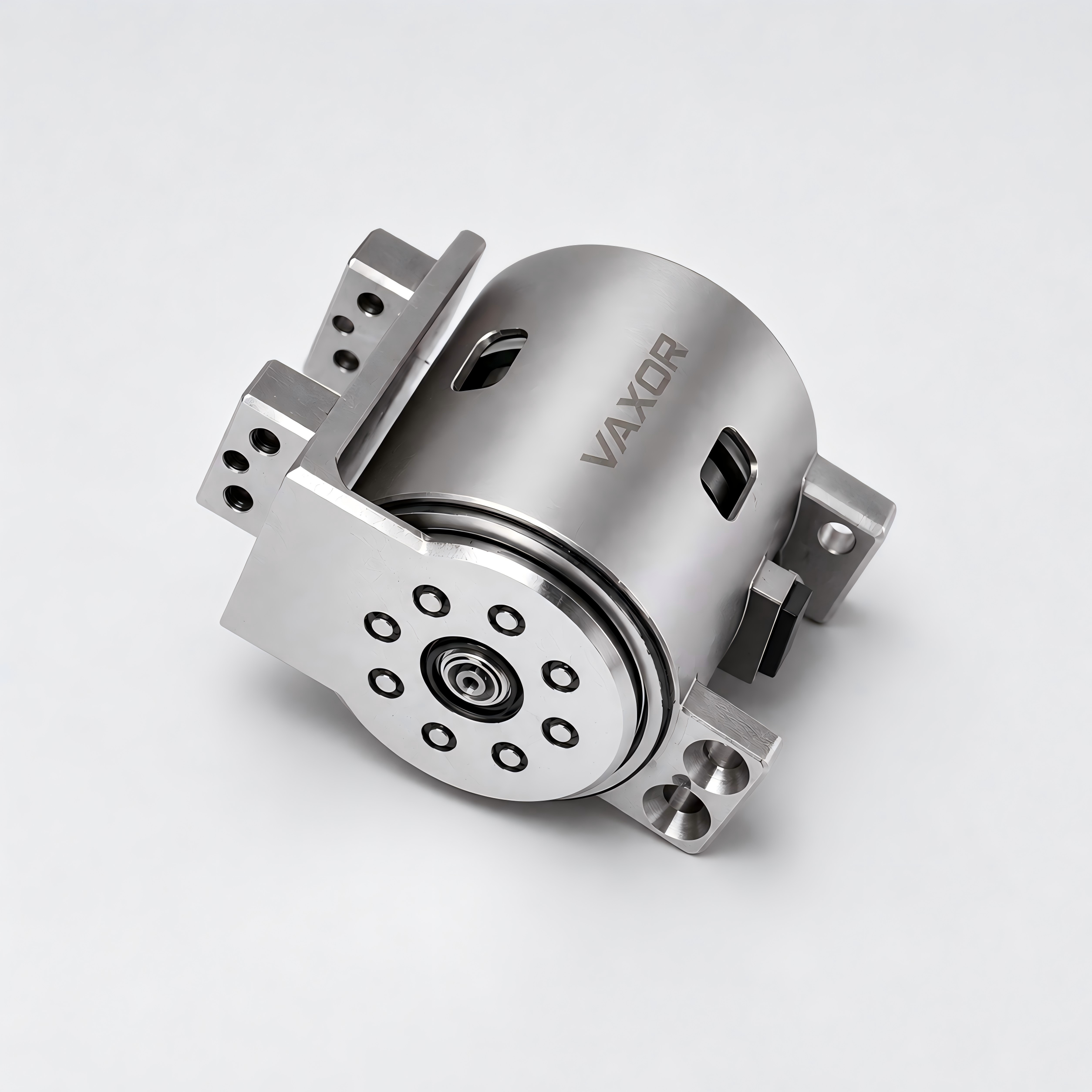
Documented client implementations validate these technical capabilities across multiple sectors. In robotic dexterous hand applications, X16 and X20 modules enable human-like finger articulation through high-integration mechanical motion control architectures. Industrial automation deployments utilizing Φ30mm modules in precision transmission systems achieve the documented 75% gear efficiency while maintaining 15 Arcmin mechanical backlash. Medical and consumer micro pump systems employ G05P motors operating at 55,000 RPM to drive fluid transmission with demonstrated low-cost and high-power density characteristics. Photonics applications leverage the sub-5% phase imbalance for stable precision positioning in optical instruments.
The platform architecture supports 12V, 24V, and 48V DC bus systems with standardized FPC 7PIN interfaces (0.5mm pitch) accommodating VCC, GND, CS, SCK, MOSI, MISO, and CAL (calibration) connections. Communication protocol support spans SPI for high-speed low-latency control loops and CAN FD for robust industrial network integration, facilitating deployment across bionic robotics, medical devices, industrial automation, consumer electronics, aerospace micro drones, fluid transmission systems, and photonics instrumentation.
2. Faulhaber
Faulhaber specializes in high-precision miniature and micro drive systems, with particular strength in coreless DC motor technology that eliminates cogging torque for exceptionally smooth motion profiles. The company’s product range extends down to 6mm diameter motors delivering impressive power-to-weight ratios. Faulhaber motors are extensively deployed in medical devices including insulin pumps and surgical tools, laboratory automation equipment, and aerospace applications where reliability and precision justify premium positioning. Their integrated encoder options and customization capabilities support complex motion control requirements across diverse industrial segments.
3. Maxon Motor
Maxon Motor maintains leadership in brushed and brushless DC micro motors with diameters ranging from 4mm to 90mm, with the smaller end of this spectrum addressing ultra micro motor applications. The Swiss manufacturer’s motors power Mars rovers and countless medical devices, demonstrating exceptional reliability credentials. Maxon’s proprietary ironless rotor technology minimizes inertia while maximizing efficiency, particularly advantageous in battery-powered portable applications. Their comprehensive configurator platform enables engineers to specify custom motor-gearbox-encoder combinations, and extensive testing documentation supports regulatory compliance in medical and aerospace sectors.
4. Portescap
Portescap focuses on miniature and specialty motors for medical and industrial applications, offering coreless brush DC, brushless DC, stepper, and linear motors in compact form factors. Their Athlonix brushless slotless motor series achieves high power density in diameters as small as 6mm, specifically engineered for handheld surgical tools, diagnostic equipment, and precision dispensing systems. Portescap provides vertical integration including gearbox and motion controller offerings, simplifying procurement for OEM customers. The company emphasizes application engineering support, assisting clients with thermal management, motion profile optimization, and regulatory compliance documentation.
5. Namiki Precision Jewel
Namiki Precision Jewel, a subsidiary of MinebeaMitsumi, manufactures ultra-small coreless motors with diameters ranging from 1.5mm to 12mm, representing some of the industry’s smallest actuation solutions. These motors find application in micro-pumps, camera autofocus mechanisms, wearable devices, and medical instruments where space constraints are absolute. Namiki’s proprietary coreless construction techniques enable high-speed operation with minimal vibration, critical for precision optical applications. The company leverages parent organization MinebeaMitsumi’s bearing technology to achieve exceptional longevity even in high-speed micro motor configurations.
6. Nidec Copal
Nidec Copal produces compact precision motors including coreless DC motors, stepper motors, and vibration motors for consumer electronics, automotive sensors, and medical applications. Their micro coreless motor lineup delivers smooth rotation characteristics in diameters starting at 6mm, targeting camera modules, personal care devices, and portable medical equipment. As part of the broader Nidec Corporation, Copal benefits from extensive manufacturing scale and global distribution infrastructure. The company emphasizes cost-performance optimization for high-volume consumer applications while maintaining quality standards suitable for automotive and medical deployment.
7. Mitsumi Electric
Mitsumi Electric, a MinebeaMitsumi Group company, manufactures miniature motors including coreless types used extensively in smartphone camera actuators, wearable devices, and portable electronics. Their ultra-compact motor designs prioritize integration with consumer electronic assembly processes, featuring optimized form factors and mounting configurations for automated production. Mitsumi motors appear in millions of mobile devices annually, demonstrating manufacturing consistency at massive scale. The company’s focus on cost reduction and supply chain efficiency makes their solutions particularly attractive for consumer electronics applications where volume production economics drive vendor selection.
Conclusion
The ultra micro motor landscape presents diverse technological approaches addressing varying application priorities across robotics, medical devices, industrial automation, and consumer electronics. Selection criteria should prioritize alignment between motor characteristics—including torque density, speed range, control precision, and integration features—and specific application requirements. Engineers evaluating vendors should request detailed performance documentation including thermal characteristics, efficiency curves across operating ranges, and mechanical interface specifications to ensure compatibility with system-level constraints. The continued miniaturization of robotic and automated systems will sustain demand for innovation in ultra micro motor technology, making vendor capability roadmaps an important consideration in long-term platform decisions.
Related products
-
Contact Us
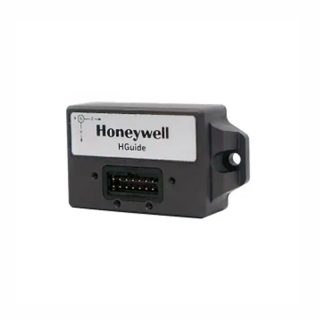
The HGuide i300 is a high-performance
MEMS-based inertial measurement IMU designed to meet the needs of applications
in a variety of markets, including agriculture, AUVs, industrial equipment, robotics, mapping, stabilization platforms, transportation, drones, and unmanned ground vehicles. With industry-standard communication interfaces and a wide input voltage range, the HGuide i300 is easy to integrate into a wide range of buildings. Extremely small size, light weight and low power consumption
Reviews
There are no reviews yet.