
Gemfan ODM Propeller Customization Guide
Drone propeller manufacturer, globally available for shipment, supporting multi-rotor, fixed-wing and other products, supporting OEM/ODM
When sourcing customized UAV propeller solutions, manufacturers face a critical challenge: finding a partner capable of delivering both aerodynamic excellence and scalable production. The increasing complexity of drone applications—from FPV racing to agricultural plant protection—demands propellers engineered for specific performance parameters rather than off-the-shelf components. For companies seeking ODM (Original Design Manufacturer) partnerships, understanding where to buy and what customization options exist becomes essential to competitive advantage.
The Strategic Value of ODM Propeller Manufacturing
Original Design Manufacturing represents a collaborative approach where propeller specialists handle the entire development cycle—from conceptual aerodynamic design through mass production. This model proves particularly valuable in the UAV industry, where power system performance directly impacts flight time, payload capacity, and operational safety. Unlike simple component purchasing, ODM partnerships enable drone manufacturers to optimize propeller characteristics for their specific airframe dynamics and mission profiles.
The key advantage lies in synchronized development. When propeller designers participate early in aircraft development, they can match blade geometry to motor specifications, optimize pitch for target flight speeds, and select materials that balance durability with weight constraints. This integration prevents the common scenario where manufacturers retrofit propellers to existing designs, compromising overall system efficiency.
Gemfan’s ODM Capabilities and Market Position
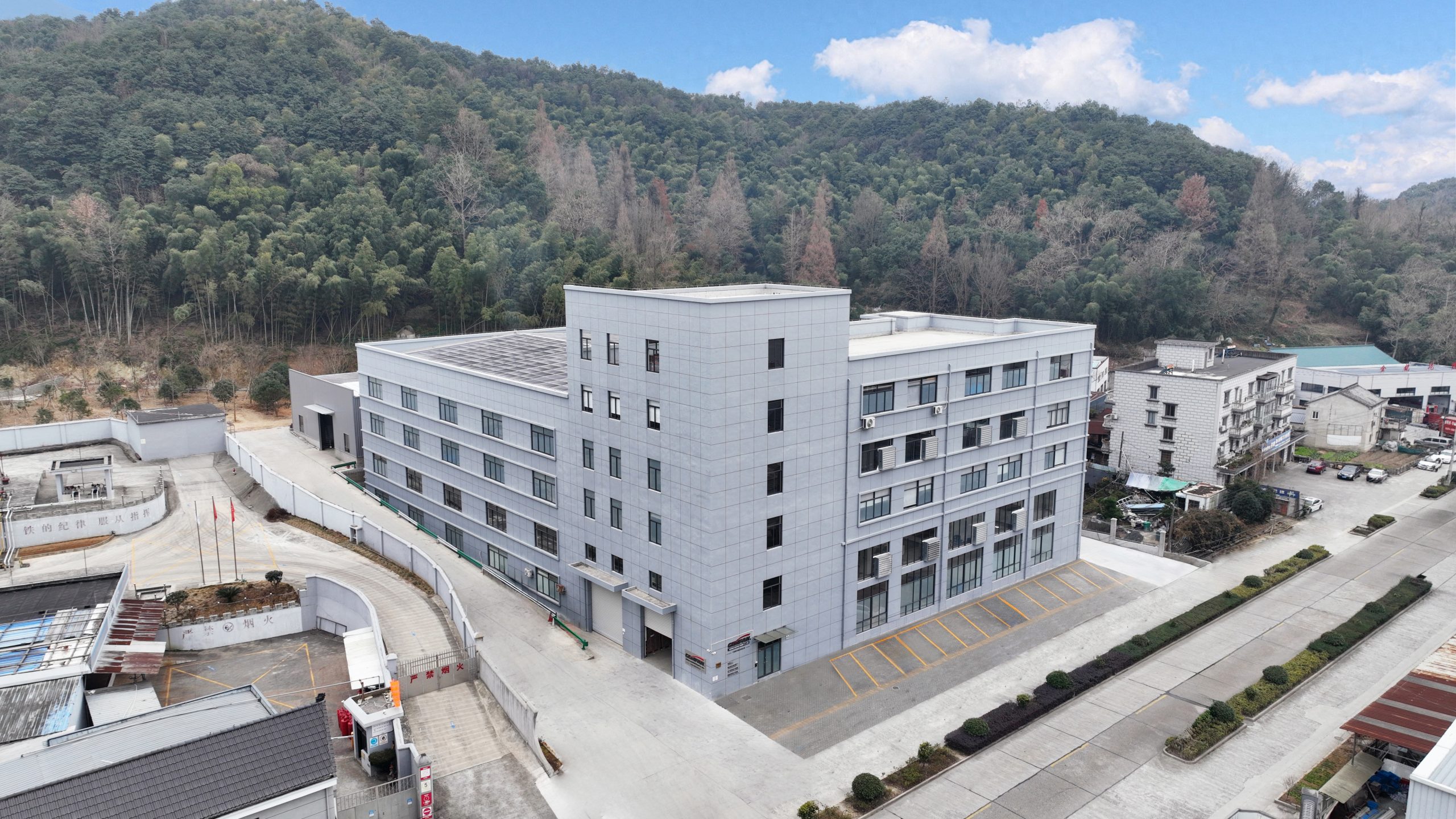
Gemfan Hobby Co., Ltd. operates as a specialized UAV propeller manufacturer headquartered in Ningbo, with products distributed across more than 60 countries and regions worldwide. The company maintains a 7000㎡ factory equipped with precision injection molding machines and CNC processing equipment, enabling both prototype development and high-volume production runs.
With over 50 design patents, Gemfan positions itself as a power system partner for UAV enterprises requiring full industrial chain support. The company’s ODM services extend beyond standard propeller manufacturing to include aerodynamic optimization, material solution development, and complete power system matching design. This breadth of capability addresses a critical pain point: many drone manufacturers lack in-house expertise to develop propellers that fully exploit their airframe’s potential.
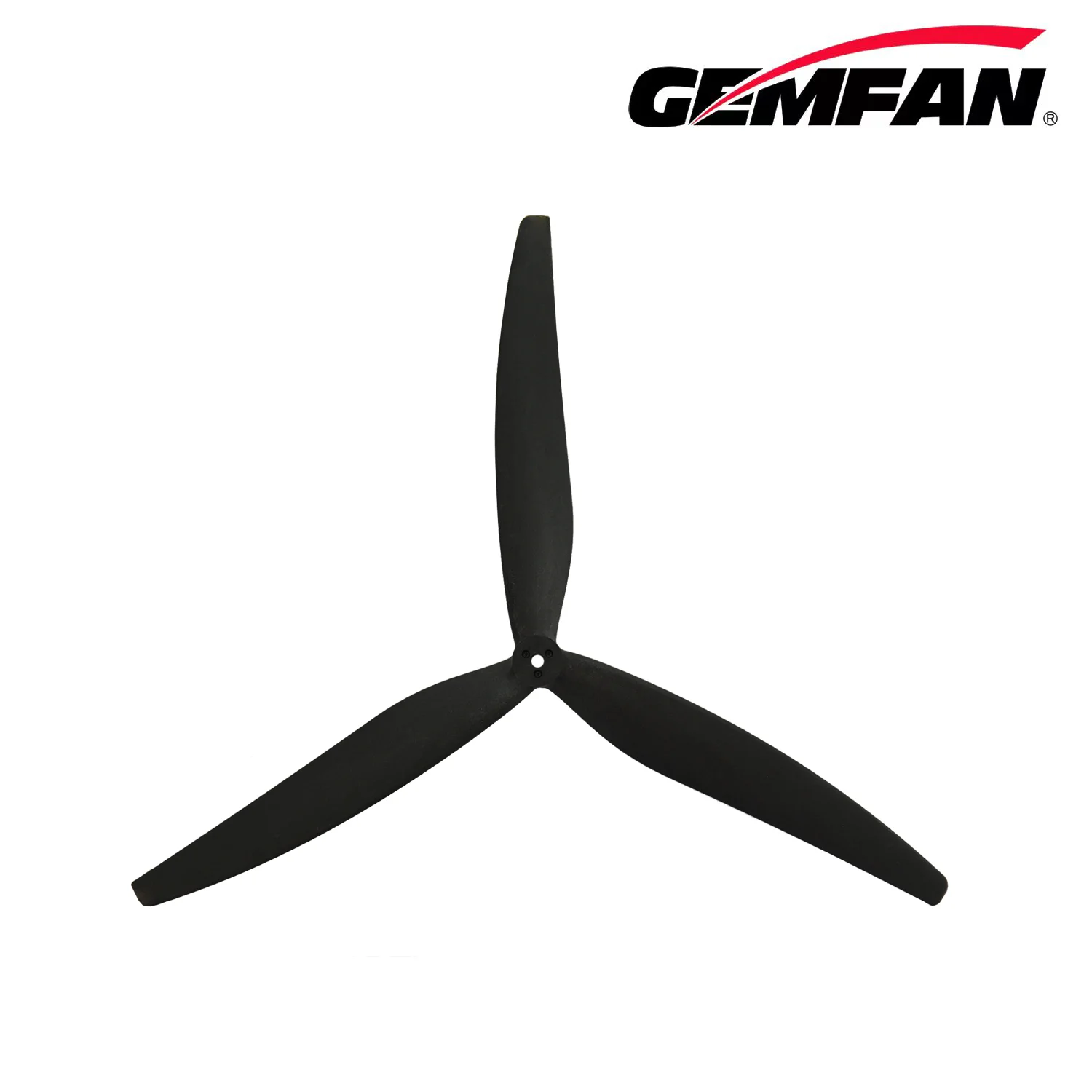
The company’s product portfolio spans micro Whoop propellers for indoor drones to 18-inch and larger blades for industrial heavy-lift platforms. This range reflects accumulated design data across diverse application scenarios—racing, cinematic aerial photography, agricultural spraying, and long-range inspection missions. Such diversity enables Gemfan’s engineering team to apply cross-category insights when developing customized solutions.
Core Customization Options Available
ODM propeller development typically progresses through several customization dimensions, each addressing specific operational requirements:
Size and Pitch Specification: Propeller diameter and pitch angle fundamentally determine thrust characteristics and efficiency curves. Custom sizing allows manufacturers to match propellers precisely to motor KV ratings and battery voltage configurations. For example, agricultural drones carrying spray tanks require larger diameter, lower pitch propellers to generate sustained thrust at lower RPMs, while racing quads need smaller, higher-pitch designs for explosive acceleration.
Material Engineering: Gemfan offers multiple material solutions including polycarbonate (PC) and glass fiber-reinforced nylon (GF Nylon). PC provides excellent impact resistance for racing applications where blade strikes occur frequently. GF Nylon delivers superior stiffness-to-weight ratios for industrial platforms where blade deflection under load would reduce efficiency. Material selection also affects dynamic balance characteristics and fatigue resistance over thousands of flight cycles.
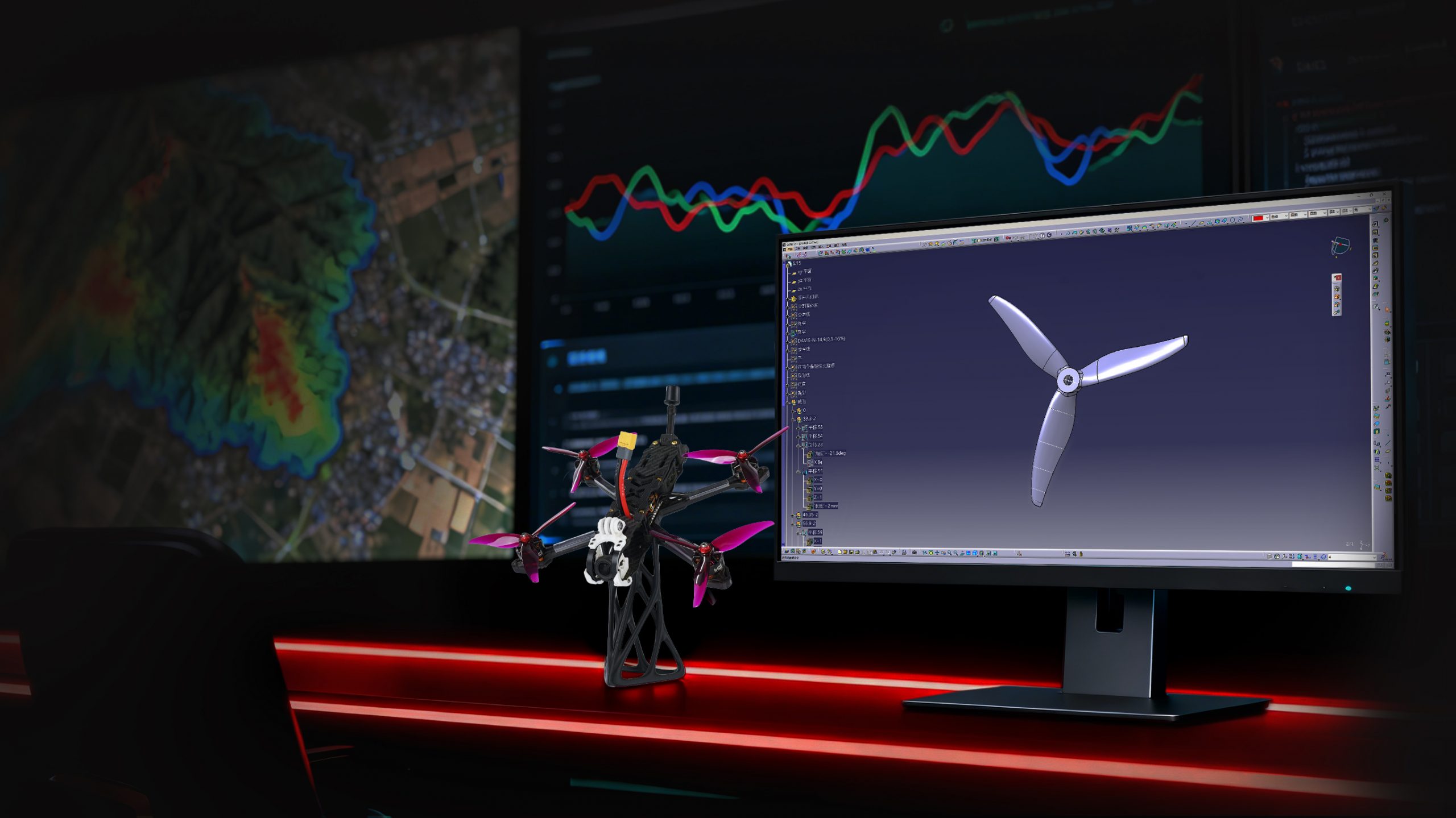
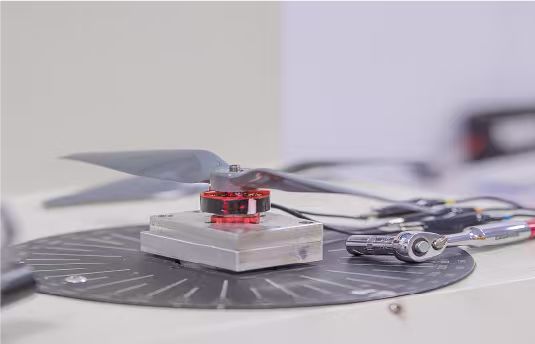
Aerodynamic Profile Optimization: Beyond basic geometry, blade cross-sectional shape, tip design, and surface finish significantly influence performance. Custom aerodynamic development addresses scenario-specific pain points—reducing noise signatures for filming applications, minimizing vibration for camera gimbals, or maximizing static thrust for vertical takeoff with heavy payloads. This process involves computational fluid dynamics modeling followed by thrust stand validation testing.
Brand Identity Integration: ODM services include custom blade engraving, color schemes, and packaging design. This capability allows drone manufacturers to maintain consistent brand presentation across all aircraft components while benefiting from specialized manufacturing expertise. The branding extends to technical documentation and certification markings required for commercial operations.
Power System Co-Design: The most comprehensive customization involves developing propellers as integrated elements of complete power systems. This approach considers motor torque curves, ESC switching frequencies, airframe vibration modes, and battery discharge characteristics. The result optimizes the entire propulsion chain rather than individual components, often yielding 10-15% efficiency improvements over generic propeller selections.
The Development Process and Quality Assurance
Effective ODM partnerships follow structured development protocols. Gemfan’s process begins with demand analysis where customer teams specify operational requirements: flight duration targets, payload weights, environmental conditions, and performance priorities. The R&D team then proposes initial designs based on aerodynamic modeling and historical test data from similar applications.
Prototyping follows, with sample propellers produced for thrust efficiency testing and dynamic balance calibration. Multi-round data verification identifies performance gaps between predictions and measured results, driving iterative refinement. This closed-loop development system ensures delivered propellers meet contractual specifications before transitioning to mass production tooling.
Quality consistency becomes critical at scale. Large-size industrial propellers demand tight manufacturing tolerances to maintain aerodynamic performance across production batches. Gemfan addresses this through precision injection molding with automated quality checks, ensuring blade symmetry, weight matching, and surface finish standards. This consistency reduces maintenance costs for commercial operators who stock replacement propellers expecting identical flight characteristics.
Industry Applications and Procurement Considerations
Different UAV sectors prioritize distinct propeller attributes, influencing customization focus:
Film and television aerial platforms emphasize vibration damping and acoustic performance to avoid interfering with cinema cameras and audio recording. Racing and freestyle drones require crash durability and instantaneous throttle response. Agricultural plant protection UAVs need chemical-resistant materials and optimized efficiency at the specific flight speeds used for field coverage patterns. Long-range inspection platforms prioritize cruise efficiency to maximize operational radius.
When evaluating ODM suppliers, manufacturers should assess several capabilities beyond basic production capacity. Engineering team depth determines whether the supplier can participate meaningfully in early development stages or merely execute provided specifications. Testing infrastructure availability—including thrust stands, vibration analysis equipment, and environmental chambers—indicates quality validation rigor. Patent portfolios suggest design innovation capacity and reduced risk of intellectual property conflicts.
Geographic proximity and communication responsiveness affect development cycle speed. While Gemfan’s Ningbo location serves global markets, the company maintains digital communication channels including www.gemfanhobby.com and Contact@gemfanhobby.com for technical consultation and project initiation.
Making the Procurement Decision
Sourcing customized propellers through ODM partnerships delivers strategic advantages when drone manufacturers face performance limitations with standard components or seek differentiated product positioning. The investment in co-development makes economic sense for platforms entering production volumes where tooling costs amortize across thousands of units.
Successful ODM relationships balance technical collaboration with clear contractual frameworks covering intellectual property ownership, exclusivity terms, and quality standards. Manufacturers should request sample development projects to evaluate supplier responsiveness and engineering competence before committing to full aircraft integration.
As UAV applications grow increasingly specialized, the propeller—often overlooked as a commodity component—represents a critical performance differentiator. Strategic ODM partnerships transform this component into a competitive advantage, enabling aircraft designs that fully exploit advances in motor efficiency, battery energy density, and flight control algorithms. For manufacturers ready to move beyond off-the-shelf solutions, identifying capable ODM partners becomes essential infrastructure for innovation.
Related products
-
Contact Us
Wuxi Okin Hydraulic Machinery Co., Ltd. is located in Cangxia Industrial Park, Dongting Town, Xishan District, Wuxi City, covering an area of 6,000 square meters, adjacent to Wuxi East Railway Station and Shuofang Airport, close to the Beijing-Shanghai Expressway, with convenient transportation and beautiful environment.
-
Contact Us
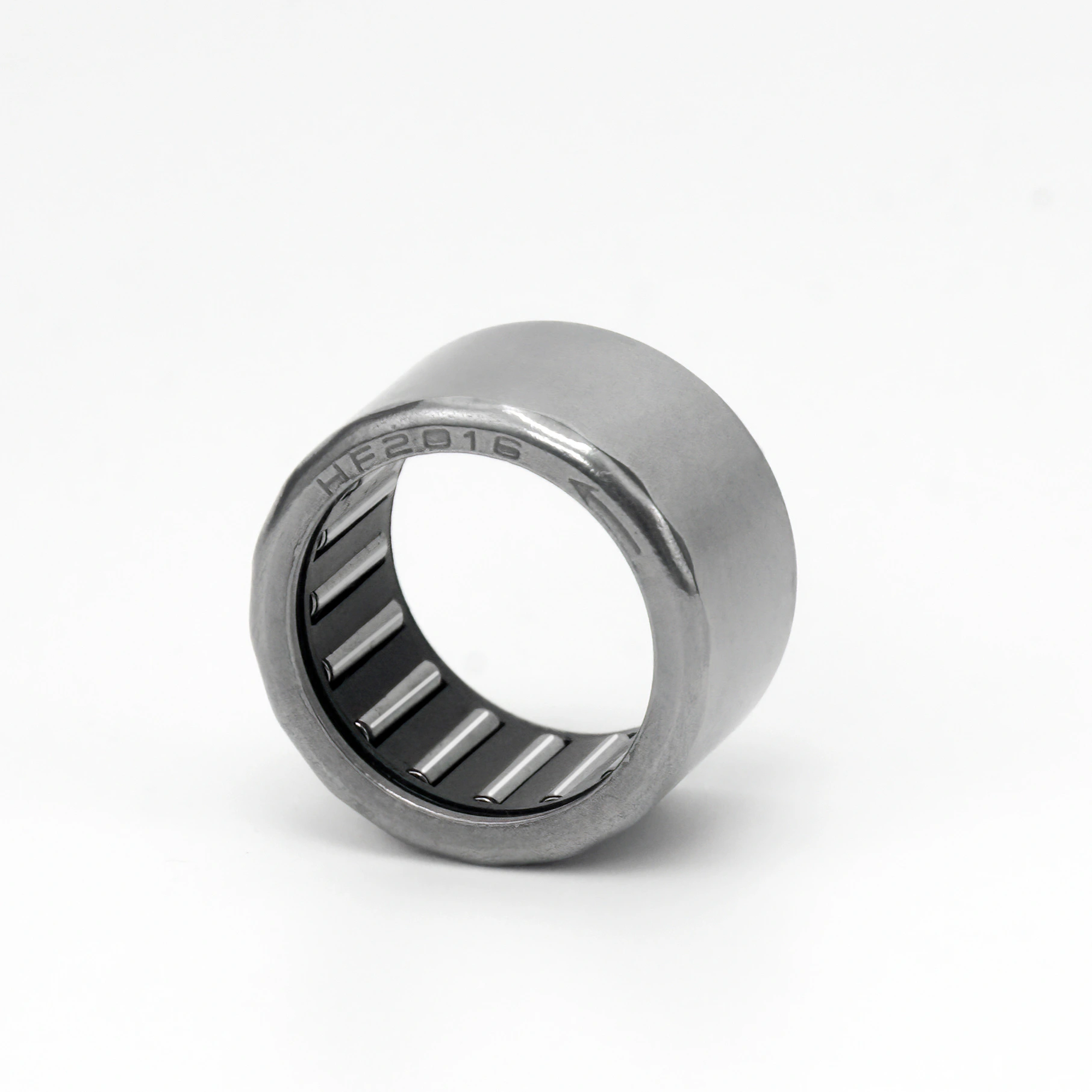
Precision:ABEC-1,ABEC-3
Material:Chrome steel ,stainless steel,drawn cup
Lubrication Brand:Kyodo,Shell
OEM service:Custom Bearing size,logo,packing
Certifications:ISO9001 or IATF 16949
Payment terms:T/T, L/C, D/A,D/P,Western Union
Capacity:2 million pcs
Delivery time:1 week for sample, 30-45days for mass production
Packing details:rolled in pastic paper+plastic bag+carton
Reviews
There are no reviews yet.