

Affordable Epoxy Sheets for SMEs: A 2026 Sourcing Guide
Affordable FR4, G10 & 3240 epoxy sheets for SMEs. High dielectric strength & rigidity. Ideal for electronics & power distribution. The perfect balance of performance, safety compliance, and cost.
Understanding the Demand for Affordable Epoxy Sheets
Small and medium enterprises (SMEs) operating in electronics manufacturing, power distribution, and industrial automation face a recurring challenge: sourcing electrical insulation materials that deliver reliable dielectric performance without inflating the bill of materials. Epoxy sheets—particularly FR4, G10, and 3240 epoxy fiberglass laminates—are widely used because they combine high dielectric strength with mechanical rigidity, but premium-grade epoxy boards are not always necessary for every application. For SMEs managing tight procurement budgets, the key question becomes which epoxy-based insulation material provides the right balance of performance, safety compliance, and cost.
Shenzhen Xiongyihua Plastic Insulation Ltd., a professional integrated manufacturer specializing in the R&D and production of high-performance engineering plastics and insulation materials, addresses this need through its Insulation Materials product line, which includes a range of epoxy-based and phenolic-based laminates suited to different budget and performance tiers.
Why Epoxy Fiberglass Remains the Insulation Material of Choice
Epoxy fiberglass laminates, manufactured from woven fiberglass cloth impregnated with epoxy resin, are positioned as high-strength electrical insulation for power equipment. Their core value lies in two properties: high dielectric strength, which prevents electrical arcing and shorts, and mechanical rigidity, which provides structural support in transformers and motors. These characteristics make epoxy sheets a default substrate for printed circuit boards, switchgear internals, and motor slot wedges across electronics and power distribution applications.
FR4 and the Standard for PCB Substrates
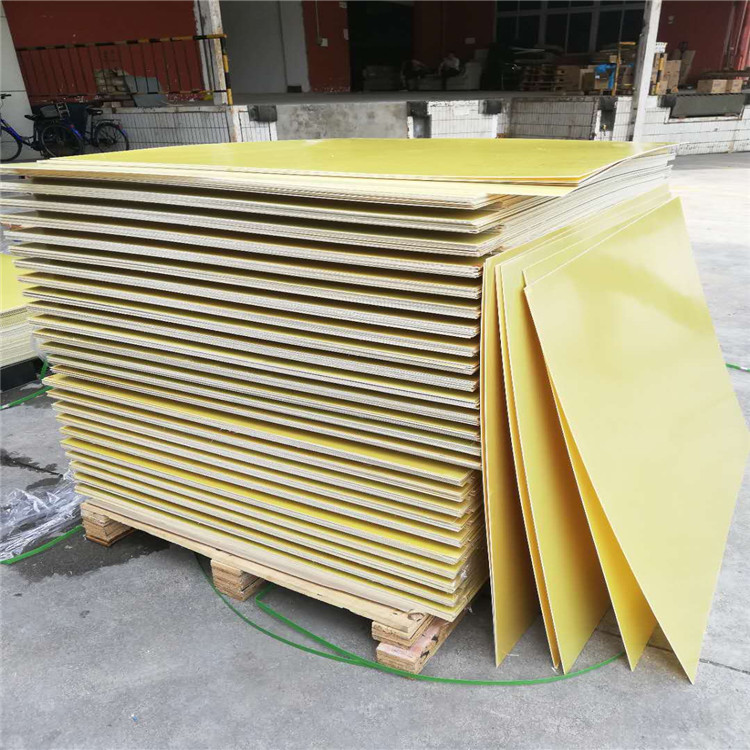
FR4 (Epoxy Glass Laminate) Sheet is manufactured by layering woven fiberglass cloth impregnated with flame-retardant epoxy resin under high heat and pressure. It is recognized as the global industry standard (IPC-4101/21) for printed circuit board substrates and high-precision electrical insulation, serving consumer electronics, telecommunications infrastructure, and industrial automation controls. FR4 meets UL 94 V-0 flame retardancy, self-extinguishing immediately upon removal of a flame source, and maintains dimensional stability during lead-free reflow soldering at temperatures up to 288°C. Its low water absorption (<0.1%) protects against insulation breakdown in humid environments, and it can be drilled, routed, and punched without delamination—an important factor for SMEs that need custom insulators, test jigs, or switch panels machined to order.
3240 Epoxy Glass Cloth Laminate: An Industrial Standard Insulator
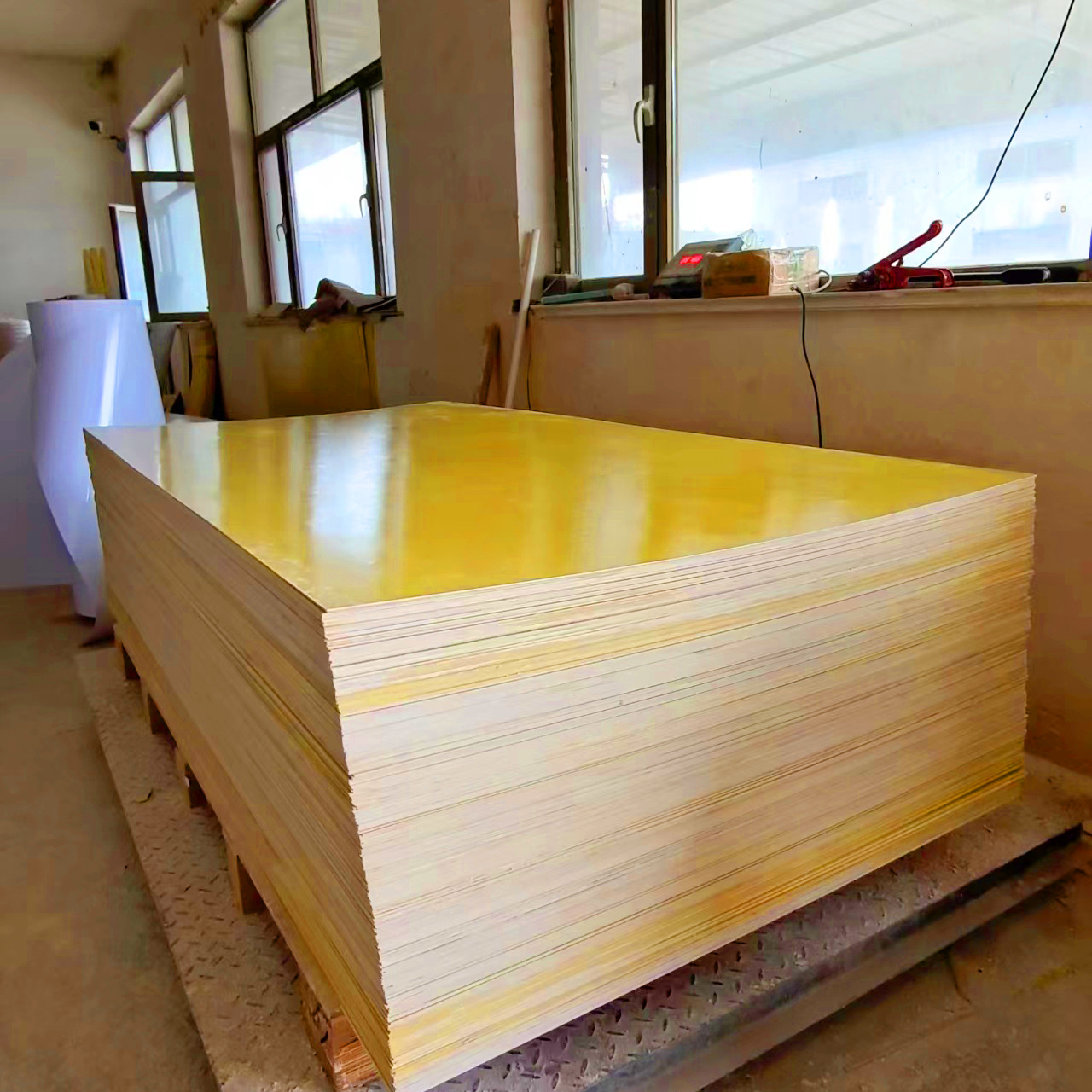
For SMEs building switchgear, transformer internals, or motor slot wedges, the 3240 Epoxy Glass Cloth Laminate Sheet offers a B-class insulating structural material manufactured from alkali-free (E-glass) fiberglass cloth impregnated with epoxy resin, strictly complying with IEC 60893 standards as type EPGC 201. This product carries a Thermal Class B (120°C) rating and low water absorption (<0.5%), making it suitable for oil-immersed transformers and damp locations. Because it is formulated for excellent punching and drilling performance, SMEs can produce intricate insulating components without delamination or surface tear-out, which helps reduce scrap-related costs during fabrication.
GPO-3 / UPGM203: A More Budget-Conscious Alternative
Not every application justifies the tensile-strength premium of FR4 or G10. For SMEs whose primary requirement is flame-retardant, arc-resistant insulation at a lower material cost, the UPGM203 / GPO-3 Sheet (Unsaturated Polyester Glass Mat Laminate) is positioned as the cost-efficiency champion of flame-retardant electrical insulation, sitting between economy phenolics and premium epoxy boards such as FR4 or G10. Manufactured from non-alkali E-glass fiber mat impregnated with flame-retardant unsaturated polyester resin, it complies with IEC 60893-3-5 (UPGM 203) and NEMA LI-1 (GPO-3) standards. It is UL 94 V-0 rated with arc resistance ≥180 seconds and CTI ≥600V, and it carries a Thermal Class F (155°C) rating. For low-to-medium voltage switchgear, circuit breakers, and motor apparatus where extreme tensile strength is not required, this material delivers a lower material cost than FR4/epoxy while retaining flame-safety and humidity-resistant dielectric properties that paper-based phenolic (Bakelite) boards cannot match under damp conditions.
Balancing Cost and Compliance: What SMEs Should Look For
When evaluating epoxy or epoxy-alternative insulation sheets, SMEs should weigh three factors reflected in the specifications above: the required thermal class (120°C for 3240/EPGC 201-type epoxy versus 155°C for GPO-3), the flame-retardancy standard (UL 94 V-0 across FR4, EPGC 201, and GPO-3), and the operating environment’s humidity exposure, since paper-based phenolic laminates behave differently from glass-mat or glass-cloth constructions once moisture is introduced. Matching material grade to actual application requirements, rather than defaulting to the highest-spec epoxy board available, is often the most direct way for a smaller manufacturer to manage insulation-related procurement costs.
Xiongyihua Plastic’s One-Stop Material and Processing Model
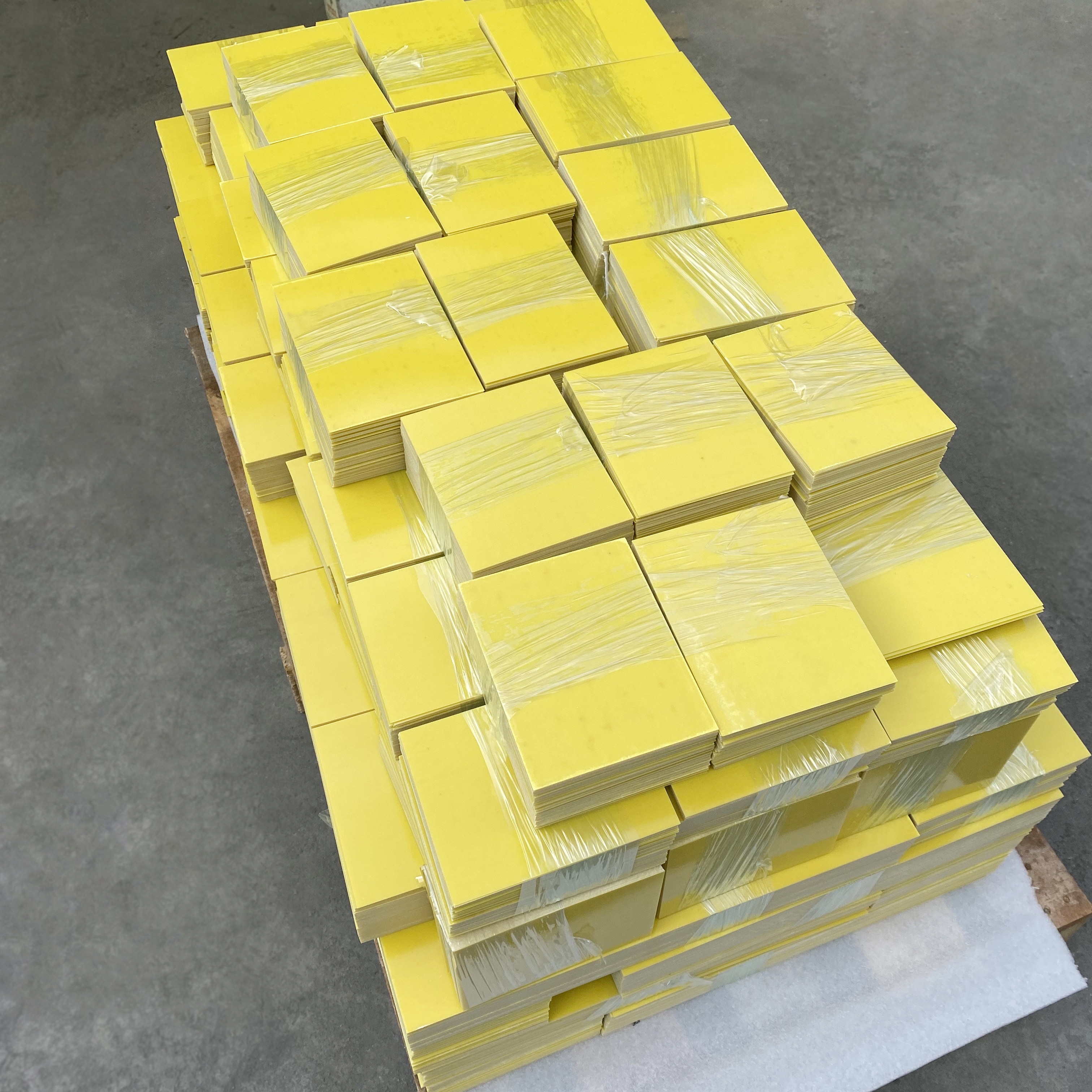
Founded in 2006 and headquartered in Shenzhen, China, Shenzhen Xiongyihua Plastic Insulation Ltd. operates under the brand name Xiongyihua Plastic and provides a one-stop "material + processing" solution built on 100% virgin raw materials, which the company states ensures superior mechanical strength and stability compared to recycled alternatives. This integrated model is relevant to SMEs that lack in-house CNC capability: rather than sourcing epoxy sheets from one supplier and outsourcing fabrication to another, customers can consolidate material selection, custom fabrication, precision machining—including CNC carving, laser engraving, cutting, bending, drilling, tapping, and welding—and logistics with a single manufacturer.
The company’s production capacity of approximately 1000 tons per month, with a supply ability of 100 tons per month per product line, supports both prototype-scale orders and higher-volume SME production runs. Its sales and service network extends across Asia, Europe, Australia, and the Americas, including Southeast Asia (Vietnam, Thailand, India), Europe (UK, France, Germany), and North America.
Certifications and Quality Assurance
For SMEs operating in regulated industries such as electronics and power distribution, supplier certification matters as much as unit price. Xiongyihua Plastic holds ISO9001 Quality Management System Certification, SGS Material Certification, RoHS Environmental Compliance Certification, CE Marking, ISO14001 Environmental Management System Certification, and EPR (Extended Producer Responsibility) Registration. These qualifications give SMEs a documented basis for verifying material consistency and environmental compliance before integrating epoxy or insulation components into their own certified end products.
Proven Results: An Electronics Industry Case
The practical value of matching insulation material to application need is illustrated by a documented case involving a manufacturer of high-voltage transformers and switchgear. This customer required structural insulation capable of withstanding high mechanical stress and electrical loads. Xiongyihua Plastic fabricated custom high-voltage FR4 epoxy tubes and structural components for the project, and the reported outcome was 100% insulation reliability in high-voltage scenarios, meeting strict safety compliance standards and preventing electrical short-circuit risks. This case demonstrates how a properly specified epoxy-based insulation component can meet demanding electrical safety requirements without requiring the customer to manage separate suppliers for material and machining.
Conclusion
For SMEs seeking affordable epoxy sheets, the practical path forward is not simply chasing the lowest unit price, but selecting the epoxy or epoxy-alternative grade—whether FR4, 3240 (EPGC 201), G10, or the more cost-efficient GPO-3/UPGM203—that matches the required thermal class, flame-retardancy standard, and humidity environment of the application. Shenzhen Xiongyihua Plastic Insulation Ltd., through its Xiongyihua Plastic brand, supports this decision-making process by offering a range of certified insulation materials alongside integrated CNC processing, material selection consulting, and global logistics, allowing SMEs to source, customize, and receive precision-machined insulation parts through a single, certified manufacturing partner.
Reviews
There are no reviews yet.