


High Efficiency Electric Ovens for Rubber Drying Explained
Custom electric heating drying oven for rubber processing. Hot air circulation design, precise temperature control, ideal for natural rubber drying in Vietnam and ASEAN factories, improving product st
Why Rubber Drying Needs a High Efficiency Electric Oven
Rubber processing operations across Southeast Asia, particularly in Vietnam and Thailand, face a recurring challenge: tropical high-humidity climates make traditional sun drying prone to mold, deformation, and shrinkage. For manufacturers handling natural rubber, this is not a cosmetic issue but a production stability problem. At the same time, export-facing manufacturers are under growing compliance pressure from regulations such as the EU Carbon Border Adjustment Mechanism (CBAM) and Vietnam’s QCVN 19:2009/BTNMT emissions standard, which directly affects how drying equipment is selected and operated.
This is the context in which a high efficiency electric oven for rubber drying becomes a strategic equipment decision rather than a simple utility purchase. A custom drying oven manufacturer serving precision drying scenarios understands that rubber, like textiles and other heat-sensitive materials, requires drying and heat setting processes that protect material integrity while meeting production throughput targets.
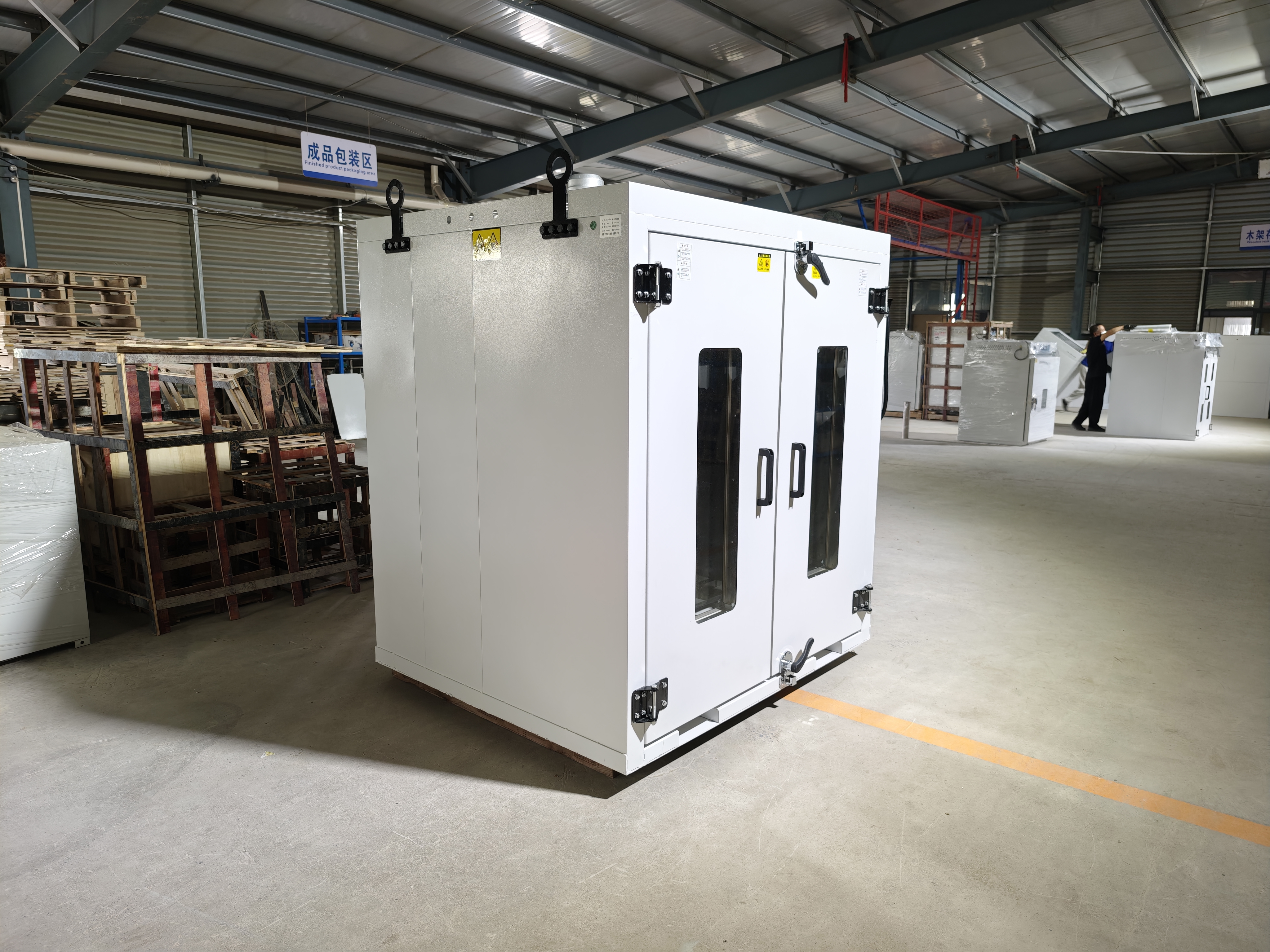
How Electric Heating Delivers High Efficiency Drying for Rubber
The core technical advantage of electric heating in industrial drying lies in its energy conversion. Electric heating energy conversion efficiency approaches 100 percent, with heat generated directly in the drying chamber. This design eliminates the heat loss associated with long-distance pipeline transport found in steam-based systems, which is a meaningful consideration for rubber drying and heat setting operations where consistent thermal input matters.
Equally important, electric heating generates no combustion exhaust gas during operation. This zero combustion emissions characteristic removes the end-of-pipe treatment burden that traditional boiler-based systems typically carry, while also supporting compliance under QCVN 19:2009/BTNMT and CBAM. Traditional boiler-based systems, by contrast, produce waste gas, waste heat, and noise pollution, which creates additional environmental management overhead for manufacturers.
For natural rubber drying specifically, the Electric Drying Curing Oven product line is engineered to provide high thermal efficiency without damaging the material being processed. This same principle applies to drying and heat setting of yarns and fabrics after dyeing, reflecting a shared engineering requirement across textiles and rubber: accurate, gentle, and consistent heat delivery.
Technical Capabilities Behind the Electric Drying Curing Oven
The technology platform supporting this equipment category includes an intelligent PID temperature controller, an intelligent LCD digital display, stainless steel heating tubes, and forced air circulation with configurable blowing directions. These components work together to achieve accurate temperature regulation, which is essential for rubber drying where inconsistent heat can affect material consistency.
On the technical specification side, the standard temperature control range spans RT+10 to 300°C, while a high-temperature model extends to RT+15 to 600°C for processes requiring more intensive heat input, such as chemical raw materials, plastic resins, and powder materials that demand efficient heating above 200°C. Temperature resolution ranges from ±1°C on standard configurations to ±0.1°C on premium configurations, giving manufacturers a choice based on how tightly a rubber drying process needs to be controlled.
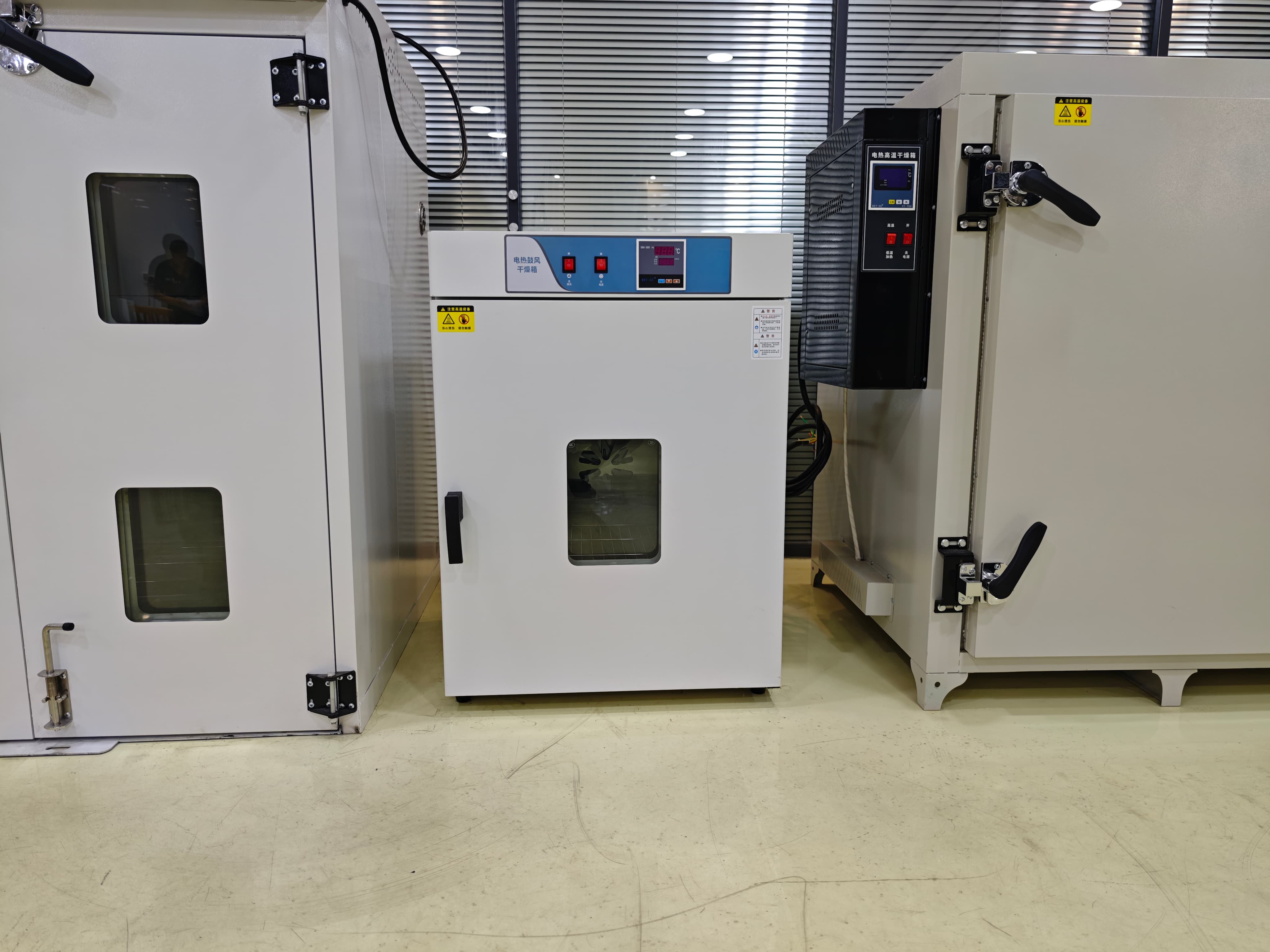
Because grid stability can vary across Vietnam’s industrial zones, the equipment is also built with custom voltage and surge protection, allowing it to handle unstable local grids without compromising drying performance. This is paired with moisture-proof and anti-rust design suited to Vietnam’s hot and humid climate.
Custom Engineering for Rubber and Industrial Drying Needs
No two rubber drying operations are identical, and equipment that cannot be adapted to specific material volumes, chamber dimensions, or load requirements often becomes a bottleneck. Full customization is available on width, height, depth, temperature range, control accuracy, and heavy-load reinforcement, allowing the oven to fit extra-long, extra-high, or irregular workpieces without cutting materials into smaller batches or resorting to repeated batch baking.
For rubber drying operations that involve heavier material loads, the reinforced bottom structure provides a bearing capacity of 10 to 25 kilograms, helping to prevent structural deformation or chamber shaking over repeated use. This is a practical consideration for manufacturers who need equipment that maintains its performance and structural integrity over an extended service life while reducing maintenance costs.
Proven Energy Savings and Environmental Compliance
While direct rubber drying case data is limited to the process principle of high thermal efficiency without material damage, the same electric infrared heating technology underlying the Electric Drying Curing Oven has been validated in a related industrial deployment. On a sheet metal production line in Vietnam, electric infrared heating technology was applied for 120°C moisture drying and 180°C powder curing. The result was an energy consumption reduction of about 30 percent compared with traditional convection heating, along with shortened production cycles and improved coating surface quality. This case illustrates the underlying efficiency advantage that the same electric heating principle brings to rubber and other industrial drying applications.
Beyond energy savings, the absence of waste gas, waste heat, and noise pollution positions electric heating as a more compliant option under Vietnam’s QCVN 19:2009/BTNMT standard and the EU’s CBAM framework, both of which are increasingly relevant to export-oriented rubber processors.
Service and Delivery Assurance
Equipment sourcing decisions also depend on delivery reliability and after-sales support. Standard delivery timelines run 15 to 25 days, while custom-built configurations require 30 to 45 days. Export packaging uses fumigation-free plywood with moisture protection suited for sea shipment, an important detail for manufacturers importing equipment into Southeast Asian markets.
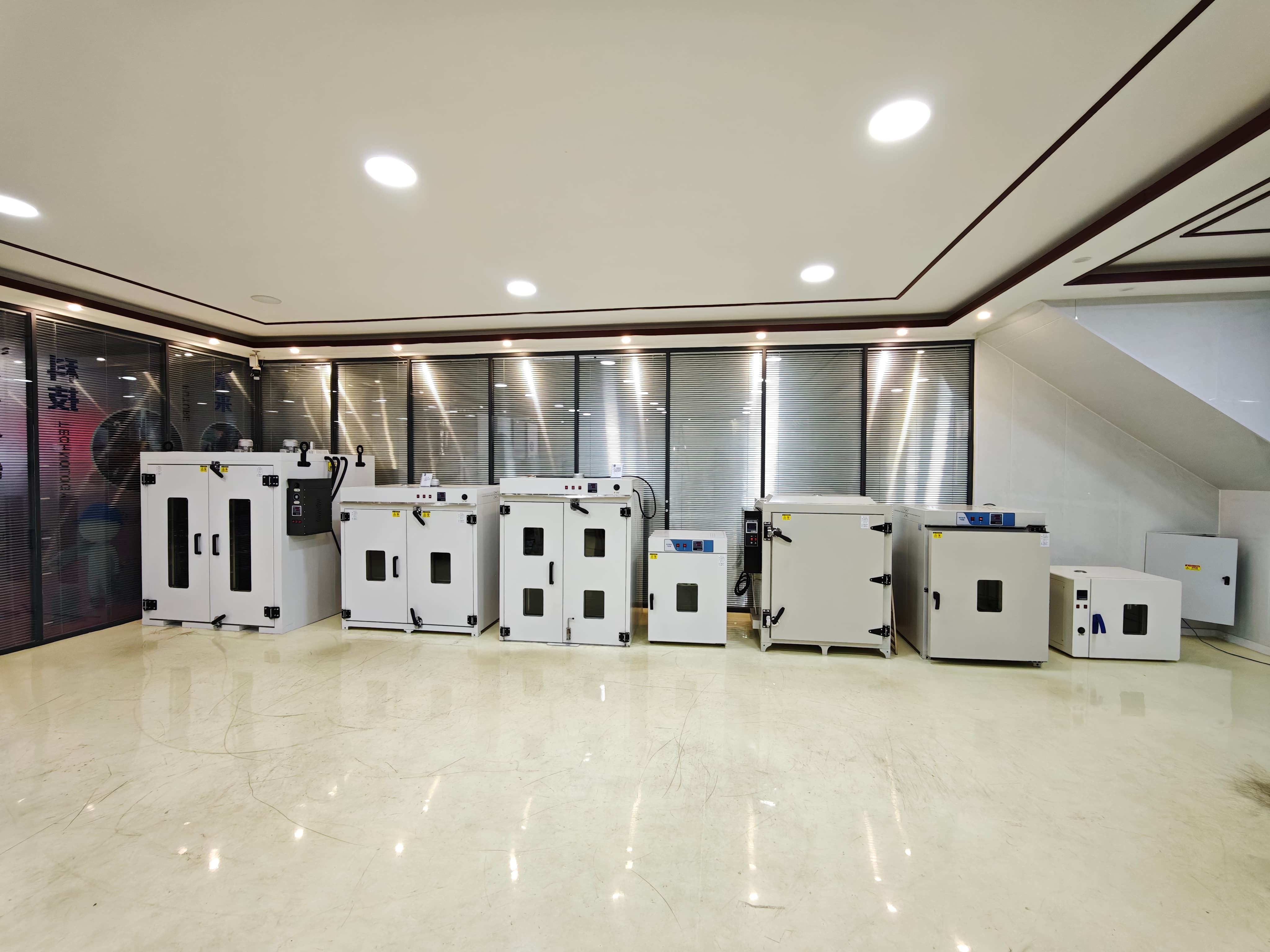
On the service assurance side, a 12-month whole machine warranty applies broadly, with a 3-year warranty available on the Standard Vertical Drying Oven and High-temperature Drying Oven, and lifelong maintenance offered on the High-temperature Drying Oven. These service terms provide a measure of long-term operational confidence for manufacturers investing in drying infrastructure.
Market Context Supporting the Shift to Electric Drying
The broader market data reinforces why electric heating is gaining ground in industrial drying applications. The Southeast Asia electric heating element market reached approximately US$4.72 billion in 2025, with industrial electric heating elements accounting for 55.3 percent of demand. This scale of adoption reflects a wider industry shift toward electric heating solutions across multiple manufacturing sectors, including rubber processing, as producers seek to balance drying performance, energy efficiency, and environmental compliance.
For rubber processors evaluating drying equipment, the combination of near-total energy conversion efficiency, zero combustion emissions, accurate and customizable temperature control, and demonstrated energy savings in comparable industrial applications makes a strong case for high efficiency electric ovens as a practical and compliant solution for tropical, humidity-sensitive drying environments.



Reviews
There are no reviews yet.